0%

Picking out the best Key Control Locker for 2026, especially for buyers around the world, isn’t just about flipping through product pictures or comparing prices. You’ve got to think about how reliable it is when it comes to managing physical keys—whether that’s in offices, hotels, schools, warehouses, or shared spaces. A really good locker should show who's using it at a glance, keep keys super secure, be easy to access, and have a solid record of all activities. It also needs to handle different power standards, languages, setups, and data privacy rules without a hitch.

Honestly, the real performance often comes down to the small stuff. For example, a bright display is a lifesaver when you’re trying to get in late at night. Heavy-duty hooks mean keys don’t jiggle around and cause noise. And having a backup power source? Super useful in case of a quick outage so your access logs stay safe. When you’re evaluating, pay attention to what the cabinets are made of, how the locks work, the software’s permissions, audit logs, network security, and how easy it is to get support if needed. Don’t forget to check the manufacturer’s testing, warranty details, installation guides, and regional service options. Make sure all claims line up with technical specs, any certifications, and what other users are saying.

Now, nobody’s perfect. A fancy system might be a bit overwhelming for someone who only uses it now and then. On the flip side, a cheaper model might cause headaches later—hidden issues that come up when you really start using it daily. And even the best software can run into trouble if user permissions aren’t set up right. This guide looks at what really matters—practical strengths, weaknesses, ongoing costs, and the risks involved in buying. It also considers how well suppliers communicate, ensure compliance, and support you after installation. In the end, the best choice isn’t always the fanciest or most high-tech one. It’s the one that’s straightforward, reliable, and easy to keep up with day-to-day life.

2026 Best Key Control Locker for Global Buyers?

What Is a Key Control Locker and How Does It Work?

2026 Best Key Control Locker for Global Buyers?

What Is a Key Control Locker and How Does It Work?

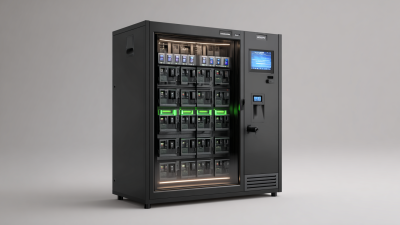
A key control locker stores keys in secured, individually assigned compartments. It helps facilities manage access without relying on loose key cabinets or handwritten notes. Most models use PIN codes, cards, biometrics, or approved mobile credentials. Each key position connects with a user record and release time.

When an authorized person selects a key, the locker checks their permission. The assigned compartment unlocks, while other keys remain protected. Sensors can confirm whether the key was removed or returned. The system then records the event, including the user, time, and key location. Managers can review these records during audits or shift changes. In practice, clear labeling matters as much as advanced software. Confusing labels create avoidable delays.

Tips: Choose a locker that matches your key volume and daily workflow. Test the interface with night-shift staff before purchase. Confirm power backup, emergency access, data storage, and maintenance procedures. Check local privacy, workplace safety, and electrical requirements. Do not assume every digital feature improves control. Sometimes, a simpler system is easier to supervise. No system is perfect. Review permissions regularly, especially after staff changes or lost credentials. A monthly audit can reveal small problems before they become serious.

Why Key Control Lockers Matter for Global Buyers in 2026

In 2026, global buyers need more than a metal cabinet for storing keys. They need controlled access, clear accountability, and dependable daily operation. Key control lockers matter because they connect physical security with practical workplace management. In a hotel, factory, school, or property office, every issued key should have a recorded user and return time. That simple record can reduce misplaced keys, unnecessary replacements, and confusion during shift changes.

Experienced facility teams usually examine access methods before appearance. Options may include PIN codes, cards, biometrics, or managed software. The right choice depends on staff turnover, network reliability, and local operating habits.

Buyers should also check emergency access, audit records, cabinet capacity, and resistance to dust or impact. Power compatibility and language support can affect overseas installation. Reliable suppliers should provide clear specifications, testing information, maintenance guidance, and responsive service.

A pilot installation often reveals problems that brochures miss. Test the locker during busy handovers, not only in a quiet showroom. Check whether employees can return keys quickly with gloves or limited training. Small delays matter. Staff may leave keys beside the unit if the process feels complicated. That risk is easy to overlook. Global buyers should compare lifecycle costs, replacement parts, software access, and training quality, rather than choosing only by purchase price. Good control comes from suitable design, consistent use, and honest review.

Key Features to Compare When Choosing a Key Control Locker

2026 Best Key Control Locker for Global Buyers?

Key Features to Compare When Choosing a Key Control Locker

A reliable key control locker should make every handover visible. Look for user authentication, time-stamped records, and clear access permissions. PINs, cards, or biometric options may suit different workplaces. Choose the method staff can use correctly during busy shifts. Ease matters.

Check the cabinet’s physical construction carefully. Reinforced steel, protected hinges, and tamper-resistant locks improve daily durability. Adjustable hooks should hold different key sizes without crowding. A bright internal light helps workers find keys quickly. It sounds minor. It is not. Poor visibility creates avoidable mistakes.

Connectivity also deserves close attention. Some facilities need local operation during network outages. Others require secure cloud reporting across several locations. Ask about data export, backup procedures, and administrator controls. The software should show who removed a key, when, and whether it was returned late. Test the interface with real staff, not only managers. A technically impressive system may still confuse users.

For international purchasing, review installation guides, language options, power requirements, and support response times. Confirm that product documentation is complete and easy to verify. Independent testing or recognized quality certifications can strengthen buyer confidence, but certificates should match the actual model. I have seen buyers focus on capacity and overlook maintenance access. That choice often becomes expensive later. Leave room for future keys, yet avoid paying for unused compartments.

How to Evaluate Security, Access Control, and User Management

2026 Best Key Control Locker for Global Buyers?

A reliable key control locker should protect physical keys and explain every access event. Look for a rigid enclosure, protected hinges, tamper alerts, and a backup power option. The access method matters equally. PINs are simple, while cards or biometrics can improve accountability. However, biometric systems require careful privacy controls and local data assessment. Test the locker with gloves, poor lighting, and a failed network connection.

User management should support individual accounts, role-based permissions, temporary access, and immediate revocation. A supervisor may open all compartments, while a contractor needs one key for two hours. Clear audit logs should record the user, time, compartment, and return status. Exportable reports help security teams investigate missing keys without guessing. Avoid systems that offer attractive dashboards but limited data retention. That weakness is easy to miss.

Tips:

Ask for a live demonstration, not only a specification sheet. Check whether access records are encrypted during storage and transfer. Confirm administrator actions are logged too. Review language support, installation requirements, maintenance response, and regional privacy expectations. Test emergency release procedures with an authorized technician. A complicated recovery process may defeat strong daily security. I would also question automatic user removal; convenience can erase useful history. Reliability is rarely proven by appearance alone.

Which Key Control Locker Fits Different Industries and Environments?

Choosing the right key control locker depends on the workplace, not only the number of keys.

In healthcare, smooth, cleanable surfaces and individual access records support shift changes.

Manufacturing sites need rugged compartments, glove-friendly screens, and clear handover procedures.

Construction and utility teams may require weather resistance, offline access, and long battery life. Education and hospitality often benefit from simple role-based permissions.

Simpler is sometimes safer.

The Verizon 2024 Data Breach Investigations Report found that the human element appeared in 68% of breaches. That statistic concerns digital security, not physical keys, but the lesson remains relevant: unclear responsibility creates exposure.

NIST SP 800-53 Rev. 5 also emphasizes physical access authorization and monitoring. A suitable locker should record who collected a key, when it was returned, and whether an exception was approved.

An audit trail matters.

Global buyers should also check regional electrical certifications, language settings, data hosting, and emergency procedures.

IBM’s 2024 Cost of a Data Breach Report calculated the average global breach cost at 4.88 million dollars.

A locker cannot prevent every incident. It can reduce ambiguity.

In practical site reviews, teams sometimes overbuy advanced features while ignoring mounting height, lighting, and backup entry. That is an imperfect decision. A reliable selection starts with the environment, user behavior, and the failure that would cause the greatest disruption.

How to Assess Compliance, Installation, Maintenance, and Total Cost

For global buyers, a key control locker should be assessed as a workplace security system, not merely a metal cabinet. Compliance begins with local fire, electrical, accessibility, and data privacy requirements. Check whether the unit records user identity, time, and key removal. Ask where that data is stored and how long it remains available. A compliance certificate alone may not cover the complete installation. Verify audit trails, emergency access, and administrator permissions with the responsible site manager.

Installation details often determine daily reliability. Measure wall strength, clearance, lighting, network reach, and evacuation routes. A locker beside a busy doorway may meet the drawing but create congestion. Anchor points should suit the substrate, while power supplies need protection from accidental impact. Test every compartment, reader, alarm, and backup method before handover. Keep a signed commissioning record. Small omissions become expensive later.

Maintenance should include cleaning, firmware review, battery checks, access testing, and spare-part planning. Define response times for failures, especially at unmanned sites. Compare purchase price with installation labor, software fees, training, inspections, energy use, and replacement parts. A cheaper cabinet may demand more manual administration. That trade-off is easy to miss. I would also question optimistic service-life claims; heavy use, dust, and rushed users can change the calculation. Request a three-year or five-year cost model, while allowing for uncertain repairs and future compliance changes.

2026 Best Key Control Locker for Global Buyers?

Recommended procurement weighting for assessing compliance, installation, maintenance, security, and total cost.

Compliance receives the highest weighting because global buyers must verify electrical safety, electromagnetic compatibility, documentation, and local installation requirements. Installation, maintenance, security traceability, and five-year total cost of ownership should then be reviewed together before supplier selection.

What Global Buyers Should Check Before Placing an Order

Choosing the 2026 best key control locker starts with verification, not appearance. Global buyers should confirm capacity, key-hook spacing, cabinet dimensions, and daily access volume. A crowded locker slows handovers and encourages shortcuts. The 2024 Data Breach Investigations Report found that human involvement appeared in 68% of breaches. That makes clear user permissions and audit trails essential. Check whether every opening records identity, time, location, and failed attempts.

Ask for evidence before placing an order. Review test reports, electrical ratings, enclosure protection, and operating temperature ranges. For international delivery, confirm voltage options, plug standards, language settings, and spare-part availability. The 2024 Cost of a Data Breach Report placed the average breach cost at 4.88 million US dollars. A key locker will not prevent every incident, but weak passwords and missing logs create avoidable exposure. I would also test the recovery process. What happens after a power cut, network loss, or damaged screen? Many specifications ignore this practical moment.

Tips: Request a live demonstration with at least three user roles. Test emergency access without deleting the audit record. Compare warranty terms, software fees, delivery time, and local technical support. Do not accept “secure” as a complete answer. Ask how security is measured. A perfect checklist is unlikely, and that is worth admitting. Even experienced buyers can overlook maintenance access, noisy alarms, or poor visibility in a dim corridor. These small details often decide whether staff use the system correctly.

FAQS

: What is a key control locker?

: It stores keys inside individually assigned, secured compartments. Each compartment connects to a user and access record. Loose keys disappear less often.

How does a key control locker release a key?

An authorized user enters a PIN, presents a card, or uses another approved credential. The assigned compartment unlocks. Other compartments remain secured.

What information does the system record?

It can record the user, access time, compartment, and return status. Sensors may confirm whether a key left or returned. Records support audits and shift changes.

Which access method should a facility choose?

PINs are simple for many teams. Cards improve individual accountability. Biometrics may help, but privacy requirements need careful review. The best option depends on staff turnover and network reliability.

What security features deserve attention?

Look for a rigid enclosure, protected hinges, tamper alerts, and backup power. Test the locker with gloves and poor lighting. Appearance alone proves little.

How should user permissions be managed?

Use individual accounts and role-based permissions. Temporary users should receive limited access. Revoke lost credentials quickly. Review permissions after staff changes.

Why should global buyers test the locker before purchasing?

A pilot can reveal delays during busy handovers. Night-shift workers may struggle with unclear labels or complicated returns. Test power failure, network loss, emergency access, and report export.

What practical details affect daily operation?

Choose capacity based on actual key volume. Check language support, electrical compatibility, maintenance, and replacement parts. A simple interface may outperform a more advanced one.

Can a key control locker eliminate every access problem?

No system is perfect. Staff may still leave keys beside the unit when procedures feel difficult. Monthly audits can expose small failures before they become serious.

Conclusion

A Key Control Locker is a secure storage system designed to organize, protect, and track physical keys in workplaces, facilities, and shared environments. It typically combines locked compartments with electronic identification, access permissions, activity records, and alerts, helping organizations know who collected or returned each key and when. For global buyers in 2026, the right solution should balance security, ease of use, scalability, and compatibility with existing access management systems.

When comparing options, buyers should assess authentication methods, user management, audit trails, emergency access, locker capacity, connectivity, and data protection. The best choice may differ by industry, facility size, operating conditions, and user volume. Buyers should also review installation requirements, maintenance support, software updates, warranty terms, compliance documentation, and total ownership cost. Before placing an order, they should confirm customization options, delivery scope, training, service availability, environmental suitability, and long-term expansion needs.

Oliver

Oliver

Oliver is a dedicated professional at Landwell, specializing in marketing innovative key management solutions. With a deep understanding of the intricacies involved in key usage across diverse environments, he is committed to providing clients with simple yet effective strategies for complete......
Previous China Top 10 Electronic Key Cabinet Suppliers