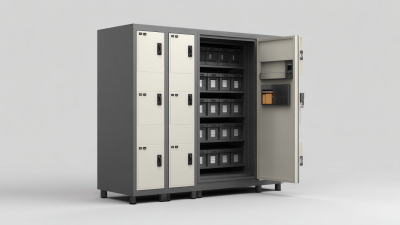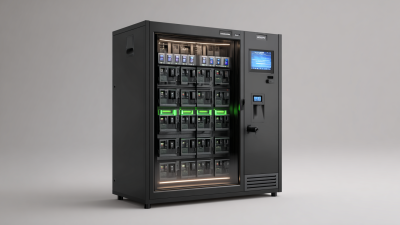
In today's increasingly security-conscious environment, the use of an Auto Key Cabinet has emerged as a critical solution for businesses and organizations that prioritize asset protection. These cabinets are designed to securely store and manage keys, ensuring only authorized personnel have access. Renowned security expert Sam Richardson, an industry consultant at Security Solutions Group, emphasizes the importance of these systems, stating, "An Auto Key Cabinet not only protects valuable assets but also streamlines key management processes, reducing the risk of unauthorized access."
The functionality of an Auto Key Cabinet is rooted in advanced technology and robust design. These cabinets often feature electronic locks, audit trails, and customizable access permissions, allowing organizations to monitor and control who enters and uses their keys. With the ability to track key usage and maintain accountability, Auto Key Cabinets have become indispensable tools for enhancing overall security protocols.
As businesses face complex security challenges, the implementation of an Auto Key Cabinet can significantly bolster their defenses. By providing a secure, efficient, and organized method for key management, organizations can focus on their operations with confidence, knowing their assets are protected from potential threats.
An auto key cabinet is a secure storage solution designed to organize and protect keys, especially in commercial or high-security environments. Its primary purpose is to prevent unauthorized access to keys while providing an efficient way to manage key distribution among authorized personnel. These cabinets often feature electronic locks, access control systems, and inventory tracking, allowing users to monitor who accesses specific keys and when. This level of control enhances the security of sensitive areas by ensuring that only authorized individuals can retrieve or return keys.
When using an auto key cabinet, it’s essential to follow some best practices to maximize its effectiveness. First, always update user access regularly—this includes removing permissions for personnel who no longer require access and adding new users promptly. Additionally, regularly audit the key inventory to ensure that all keys are accounted for and in good condition. These steps help to maintain the integrity of the cabinet and secure your environment.
Another tip is to implement user training effectively. Educating employees about the importance of key security and the proper use of the cabinet can greatly reduce the risk of unauthorized access or key misplacement. A well-informed team will understand the significance of adhering to protocol, creating a culture of security around key management.
Auto key cabinets play a crucial role in key management systems, enhancing security and efficiency for organizations of all sizes. These cabinets are designed to store, track, and manage keys in a secure environment, employing advanced technology such as electronic locks and access control systems. By using an auto key cabinet, businesses can effectively minimize the risk of lost or misplaced keys, which is especially important for facilities that require tight security measures. Automated tracking enables users to know who has accessed a particular key, creating a transparent audit trail.
Tips for implementing an effective key management system include conducting a thorough assessment of your key management needs before selecting an auto key cabinet. It’s essential to consider the volume of keys, the level of security required, and whether real-time monitoring features will benefit your operations. Also, educate staff on proper usage, emphasizing the importance of following protocols when checking out or returning keys. This vigilance ensures that the system operates smoothly and maintains the security levels necessary to safeguard valuable assets.
Additionally, regular audits of both the cabinet and its key inventory can lead to improved accountability. Schedule periodic checks to ensure that all keys are accounted for and that the system is functioning correctly. This proactive approach not only enhances security but also helps identify any potential issues before they escalate, ensuring a reliable workflow within your organization.
| Feature | Description | Benefits |
|---|---|---|
| Automated Locking System | Uses electronic locks to secure key storage. | Provides enhanced security against unauthorized access. |
| Key Tracking | Tracks which keys are checked out and by whom. | Improves accountability and reduces loss of keys. |
| User Access Control | Allows administrators to set permissions for different users. | Ensures that only authorized personnel have access to important keys. |
| Audit Trail | Maintains a detailed log of key usage. | Facilitates investigations and compliance with security policies. |
| Remote Management | Allows remote monitoring and management of the cabinet. | Offers convenience and enhanced management capabilities. |
Auto key cabinets serve as essential tools for organizations seeking to enhance their access control systems. By securely storing keys in a centralized location, these cabinets minimize the risk of unauthorized access and ensure that only designated personnel can retrieve them. Most cabinets come equipped with advanced locking mechanisms, electronic keypads, and sometimes biometric features, which add layers of security. This technological integration not only safeguards physical assets but also aids in maintaining an organized and efficient workflow, allowing organizations to quickly trace key usage and monitor who has access to specific areas.
Tips for optimizing the use of auto key cabinets include regularly updating access permissions to reflect changes in personnel, conducting audits to review key usage, and integrating the cabinet with existing security systems for comprehensive oversight. Additionally, consider implementing a logbook for manual tracking alongside the digital records. This dual approach can provide an extra layer of accountability.
Furthermore, organizations should prioritize the placement of their auto key cabinets. Installing them in secure, monitored areas can further deter unauthorized access. Utilize features like alarm notifications for unauthorized attempts to access keys. Combining technology with strategic placement ensures maximum security while streamlining access for those who need it.
Key loss can have significant repercussions for businesses, impacting not just physical security but also financial stability. According to a report from the National Association of Security Companies (NASCO), about 30% of businesses experience a key-related security breach at some point. This alarming statistic highlights the necessity for effective key management systems. Moreover, the American Society for Industrial Security (ASIS) suggests that the average cost of a key loss incident, including the labor and materials needed for rekeying locks, can range from $150 to $300 per incident. This financial burden can accumulate rapidly for businesses that frequently misplace keys or fail to implement efficient key control systems.
The implications of such losses extend beyond the immediate costs. A study by the Security Industry Association (SIA) indicates that businesses experience a 35% increase in security-related concerns after a key loss incident. This often leads to heightened anxiety among employees, decreased productivity, and a potential drop in customer trust. Consequently, companies are not only investing in replacing physical locks but also in enhanced security measures and employee training to prevent future occurrences. In this context, auto key cabinets offer a sophisticated solution for securing keys. By providing centralized access and tracking systems, businesses can significantly mitigate the risks associated with key loss while maintaining professional security protocols.
Auto key cabinets are becoming increasingly sophisticated, integrating advanced technology to enhance security and streamline access. One of the key features of modern auto key cabinets is RFID (Radio Frequency Identification) technology. This system uses wireless communication to securely store and retrieve keys based on individual user permissions. Each key is tagged with an RFID chip, allowing only authorized personnel to access them, which significantly reduces the risk of theft or misuse. The cabinet logs each interaction, providing a comprehensive audit trail that helps organizations monitor key usage effectively.
Another innovative feature often found in auto key cabinets is biometric access control. By utilizing unique biometric traits such as fingerprints or facial recognition, these cabinets ensure that only legitimate users can access the keys housed within. This adds an extra layer of security that traditional lock-and-key systems simply cannot provide. Combining RFID and biometric technology minimizes vulnerabilities, making auto key cabinets an ideal solution for organizations that prioritize safety and accountability in their key management practices.
Implementing auto key cabinets in the workplace can greatly enhance the security of sensitive areas and minimize the risk of unauthorized access. According to a report by the Security Industry Association, organizations that utilize automated key management solutions have reported a 30% reduction in lost keys and a significant decrease in the likelihood of theft or misuse. Auto key cabinets streamline the process of key distribution, ensuring that only authorized personnel can access necessary keys. This not only reduces operational risks but also increases accountability, as each access is recorded and can be audited.
When implementing auto key cabinets, it is essential to establish clear protocols and best practices for usage. Regular audits and updates to access permissions can maintain the integrity of the system. A study from the National Association of Security Companies indicates that workplaces who conduct periodic reviews of their key management practices see a 50% improvement in overall key security. Additionally, training employees on the importance of key security and proper handling procedures can foster a culture of security awareness. By leveraging technology and aligning with industry best practices, organizations can create a more secure environment and efficiently manage their key inventory.
When comparing auto key cabinets with traditional key management systems, several key differences emerge that highlight the advantages of automation in key management. Traditional key management often relies on physical keyboxes and manual logging, where employees are responsible for checking keys in and out. This method is not only time-consuming but also prone to human error. Keys can be misplaced or forgotten, leading to security risks and inefficiencies in operations. Furthermore, tracking the usage of keys becomes cumbersome, making it difficult to maintain a comprehensive audit trail.
In contrast, auto key cabinets offer a more sophisticated solution that enhances security and efficiency. These cabinets are equipped with electronic access controls that allow for seamless tracking and management of keys. Users gain access through PIN codes, RFID cards, or biometric scans, ensuring that only authorized personnel can retrieve keys. The automated system logs each transaction, providing real-time data on key usage and significantly reducing the potential for loss or theft. This level of oversight not only improves accountability but also simplifies the overall management process, allowing organizations to focus on their core operations while maintaining strict control over key access.
: Auto key cabinets are designed to store, track, and manage keys securely, enhancing efficiency and security for organizations.
They minimize the risk of lost or misplaced keys and utilize advanced technology like electronic locks and access control systems to ensure secure access.
Organizations should assess their key management needs, including the volume of keys, the level of required security, and whether real-time monitoring features are necessary.
Providing training that emphasizes proper protocols for checking out and returning keys can help ensure smooth operation and maintain security levels.
Regular audits improve accountability by confirming that all keys are accounted for and that the system functions correctly, leading to enhanced security.
Key loss incidents can cost between $150 to $300 for rekeying locks and can lead to accumulating expenses and increased security concerns.
Following a key loss incident, businesses often see a 35% increase in security-related worries, which can lead to decreased productivity and increased employee anxiety.
They significantly mitigate the risks of key loss while ensuring that professional security protocols are maintained within the organization.
Failing to implement an efficient key control system can lead to frequent financial burdens and losses in trust from customers and employees.
Companies can invest in enhanced security measures and employee training alongside implementing auto key cabinets to promote better key management.
An Auto Key Cabinet is an innovative solution designed to enhance security and streamline key management within organizations. These cabinets serve as a centralized system that automates the tracking and distribution of keys, reducing the risks associated with manual key management. With features such as RFID technology and biometric access, Auto Key Cabinets provide stringent access control, ensuring that only authorized personnel can retrieve keys.
The impact of key loss on business security is significant, making the implementation of Auto Key Cabinets crucial for safeguarding assets. Best practices for utilizing these systems involve careful planning in placement and access protocols to maximize security efficiency. Compared to traditional key management solutions, Auto Key Cabinets offer advanced technological features that not only improve control but also contribute to overall organizational safety and efficiency.