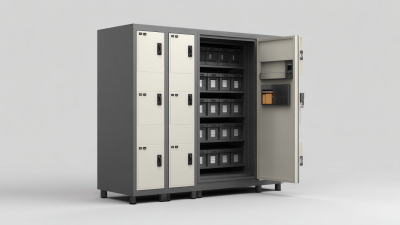
In today's fast-paced world, managing access to keys and securing sensitive areas within your organization has never been more critical. An RFID Key Control Cabinet provides a sophisticated solution, enabling businesses to safeguard their keys while streamlining access for authorized personnel. As companies increasingly turn to technology for enhanced security measures, understanding how to select the best RFID Key Control Cabinet tailored to your specific needs becomes essential.
When evaluating potential cabinets, it’s important to consider various factors such as size, security features, usability, and integration capabilities with existing systems. A well-chosen RFID Key Control Cabinet not only protects your keys but also helps in maintaining a comprehensive audit trail, thereby bolstering accountability and ensuring that access to critical areas is appropriately monitored.
This guide will explore key considerations and practical tips to help you navigate the selection process, allowing you to make an informed decision that aligns with your organizational goals and security requirements. By investing in the right RFID Key Control Cabinet, you can enhance your facility's overall safety and efficiency, ultimately contributing to the success and reliability of your operations.
RFID key control cabinets are becoming increasingly essential in various sectors, from corporate offices to educational institutions. These cabinets utilize Radio Frequency Identification (RFID) technology to manage and secure keys effectively, ensuring that only authorized personnel have access. According to a report from Grand View Research, the global RFID market is projected to grow to $47.5 billion by 2025, driven by advancements in technology and an increasing focus on security in various industries. This growth highlights the importance of efficient key management systems that can mitigate risks associated with unauthorized access.
When choosing an RFID key control cabinet, understanding the core features is paramount. Look for cabinets equipped with features such as real-time tracking and audit trails, which provide comprehensive logging of key usage. A study by MarketsandMarkets forecasts that systems with enhanced security protocols will witness a compound annual growth rate (CAGR) of 23% through 2025, underscoring the increasing demand for such technology. In addition to security features, the design and capacity of the cabinet should cater to the specific needs of the organization, ensuring it aligns with their operational requirements while maximizing efficiency.
When selecting the best RFID key control cabinet for your needs, understanding the key features is essential. One of the most important aspects to consider is the level of security the cabinet offers. Look for RFID systems that provide advanced encryption methods to ensure that unauthorized access is prevented. A cabinet that includes features such as biometric access, built-in alarms, and tamper notifications can significantly enhance security, providing peace of mind for sensitive areas where key management is crucial.
Another vital feature to consider is the ease of use and management of the RFID key control cabinet. The ability to integrate the system with existing software solutions can streamline operations and improve efficiency. User-friendly interfaces and mobile access options can facilitate quick adjustments and monitoring, enabling administrators to oversee key usage and inventory without hassle. Additionally, consider the storage capacity and flexibility of the cabinet to accommodate various key sizes and types, ensuring that it meets the specific needs of your organization. By focusing on these essential features, you can choose an RFID key control cabinet that aligns perfectly with your operational requirements.
The security benefits of using RFID key systems are increasingly recognized in various sectors, where safeguarding assets and ensuring accountability are paramount. RFID (Radio Frequency Identification) technology enhances traditional key control methods by eliminating the risks associated with physical key management.
With RFID systems, each key is tagged with a unique identifier that tracks its use, movement, and access history in real time. This feature significantly reduces the likelihood of key loss or unauthorized access, creating a more secure environment.
Moreover, RFID key control cabinets offer advanced features such as audit trails and access logs. This functionality allows administrators to monitor who accessed specific keys and when, providing a clear record for accountability. The ability to restrict key access to authorized personnel enhances security further, as it prevents unauthorized individuals from easily obtaining crucial keys. By integrating RFID technology into key management, organizations can not only streamline operations but also bolster their security measures, ensuring peace of mind in a landscape where asset protection is critical.
The comparative analysis between RFID key control cabinets and traditional key management systems highlights the evolving landscape of security solutions in various industries. Traditional systems, often reliant on physical locks and manual key handling, face significant challenges related to efficiency and accountability. A recent report from the Security Industry Association indicates that organizations using traditional key management systems experience a key loss rate of up to 30%, resulting in considerable time and financial resources spent on recovery and re-keying. In contrast, RFID technology streamlines key management by automating tracking and access control, drastically reducing the risk of lost keys.
RFID key control cabinets allow organizations to monitor who accesses specific keys in real-time, offering a clear audit trail that enhances accountability. According to a study conducted by the Global Information Security Conference, RFID systems can improve access control efficiency by up to 50% compared to traditional methods. This shift not only promotes security but also supports operational productivity, allowing personnel to focus on core responsibilities rather than manual key management tasks. By providing biometric and card access features, RFID cabinets further mitigate unauthorized access, reinforcing the need for businesses to adapt to modern technological advancements to safeguard their assets effectively.
Implementing RFID key control solutions can yield significant cost benefits for organizations looking to enhance their security and operational efficiency. According to a report by the RFID Journal, businesses that adopted RFID technology saw a reduction in key loss by up to 90%, which translates to substantial savings not just in replacement costs but also in labor and lost productivity. Since traditional key management systems often involve staff time for inventory and tracking, companies can redirect these resources toward more strategic tasks once RFID systems are in place.
Moreover, a study by the Aberdeen Group highlights that organizations using RFID technology report an average return on investment (ROI) of 30% within the first year of implementation. This rapid ROI is attributed to decreased administrative overhead, faster access to keys, and improved accountability. With an average cost of key-related incidents being estimated at $1,200 per occurrence, the reduction of such events can greatly mitigate the financial impact. Thus, careful consideration of the initial investment in RFID key control cabinets can lead to long-term cost savings, improved efficiency, and enhanced security, making the decision a prudent choice for many enterprises.
| Feature | Description | Cost | Benefits | ROI |
|---|---|---|---|---|
| Capacity | Holds up to 100 keys | $1,500 | Efficient key management | High (3 years) |
| Security Features | RFID access control and logging | $2,000 | Enhanced security and audit trail | Medium (2 years) |
| Integration | Compatible with existing systems | $1,000 | Seamless operation | High (2.5 years) |
| User Management | Granular control over user access | $800 | Controlled access and accountability | High (1.5 years) |
When selecting an RFID key control cabinet, it's crucial to consider industry standards and compliance regulations that ensure the safety and security of key management systems. These standards often dictate the minimum performance and quality requirements, ensuring that cabinets not only protect assets but also support secure access protocols. Organizations should familiarize themselves with relevant guidelines, such as ISO/IEC standards, which help to establish best practices for technology implementation in key control systems.
Additionally, compliance with specific regulatory frameworks, such as those required by the security and facility management industries, can influence the choice of an RFID key control cabinet. Such regulations may include data protection measures, access control guidelines, and audit trail requirements that enhance accountability and traceability. When evaluating potential cabinets, organizations should ensure that the chosen solution meets these compliance benchmarks, facilitating effective management of key inventories while minimizing risks associated with unauthorized access and mishap.
The landscape of RFID key control technology is evolving rapidly, driven by advancements in IoT and security needs. In 2025, organizations will increasingly leverage smart cabinets equipped with intuitive interfaces and automated tracking features. These innovations will allow for real-time monitoring of key usage, enhancing accountability and reducing the risk of unauthorized access. As RFID technology becomes more sophisticated, expect to see systems that not only store keys but also integrate with broader security protocols, offering seamless integration with existing infrastructure.
Another critical trend is the adoption of mobile applications that facilitate remote management of RFID key control cabinets. Users will be able to grant or revoke access and monitor key usage from their smartphones or tablets, creating a more flexible and user-friendly experience. Enhanced data analytics will also play a significant role, enabling organizations to gain insights into key usage patterns and optimize their inventory management. With these advancements, businesses can expect improved security and operational efficiency, ensuring that key management is both secure and efficient.
: Look for advanced encryption methods, biometric access, built-in alarms, and tamper notifications to enhance security and prevent unauthorized access.
A user-friendly interface, mobile access options, and system integration with existing software streamline operations, allowing for quick adjustment and monitoring of key usage and inventory.
Consider the cabinet's storage capacity and flexibility to accommodate various key sizes and types to meet your organization's specific needs.
RFID cabinets automate tracking and access control, reducing key loss rates significantly compared to traditional systems that rely on physical locks and manual handling.
RFID systems can improve access control efficiency by up to 50%, allowing personnel to focus on core responsibilities rather than manual key management tasks.
Organizations can see a reduction in key loss by up to 90%, resulting in substantial savings in replacement costs, labor, and improved productivity, leading to a rapid return on investment.
Organizations using RFID technology often report an average ROI of 30% within the first year of implementation due to decreased administrative overhead and improved accountability.
The average cost of key-related incidents is estimated at $1,200 each, and RFID solutions can significantly reduce such incidents, mitigating the financial impact for organizations.
The article "2025 How to Choose the Best RFID Key Control Cabinet for Your Needs" provides an in-depth examination of RFID key control cabinets, focusing on their essential features and benefits. It emphasizes the importance of understanding the technology behind RFID systems, which enhances security and simplifies key management compared to traditional systems. Key aspects such as security benefits, cost-effectiveness, and compliance with industry standards are thoroughly analyzed, offering readers valuable insights into making informed decisions.
As the demand for enhanced security solutions grows, the article also explores future trends and innovations in RFID key control technology. By weighing the advantages of RFID key control cabinets against older methods, organizations can determine the best fit for their specific requirements, ultimately leading to improved operational efficiency and safety.