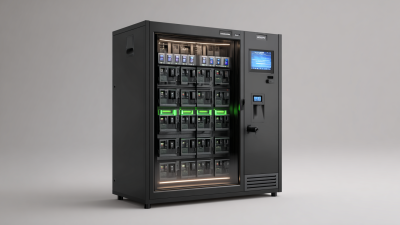
Choosing the right RFID Key Control Cabinet is crucial for enhancing security in any organization. With the increasing risks associated with physical security and unauthorized access, businesses are seeking innovative solutions to manage their keys effectively. An RFID Key Control Cabinet not only provides a secure storage solution but also offers advanced tracking features that help monitor key usage in real time.
When selecting an RFID Key Control Cabinet, it is essential to consider several key factors that can influence its effectiveness and compatibility with your security needs. From the size and capacity of the cabinet to the technology used for tracking and access, each element plays a significant role in ensuring that your assets remain protected. Moreover, understanding the specific security requirements of your facility will guide you towards a cabinet that meets those needs while providing ease of use and management.
By investing in a high-quality RFID Key Control Cabinet, businesses can streamline their key management processes, reduce the risk of loss or theft, and ensure that only authorized personnel have access to sensitive areas. In this guide, we will delve into the critical aspects to consider when choosing the best RFID Key Control Cabinet, ensuring your organization can achieve optimal security and operational efficiency.
RFID key control technology is an innovative solution designed to enhance security in various environments, including corporate offices, hospitals, and industrial facilities. This technology leverages radio frequency identification (RFID) to manage and track keys effectively, reducing the risk of lost or stolen keys. According to a report by MarketsandMarkets, the global RFID market for asset tracking is expected to reach $30.52 billion by 2026, with a significant portion attributed to key management solutions. This rapid growth highlights the increasing recognition of RFID systems as essential tools for improving operational security and efficiency.
The benefits of RFID key control systems extend beyond simple key tracking. These systems enable real-time monitoring of key usage, allowing organizations to maintain an audit trail of who accessed which keys and when. A study conducted by the Security Industry Association reported that organizations implementing RFID technology experienced a 50% reduction in unauthorized access incidents. Additionally, RFID key management systems often integrate with other security protocols, enhancing overall facility security through layered protections. By investing in RFID key control cabinets, businesses can bolster their security infrastructure, mitigate losses, and provide accountability within their operations.
When selecting an RFID key control cabinet, the first step is to assess your specific security needs regarding key management. According to a report by Market Research Future, the global smart key management system market is projected to grow at a CAGR of over 15% from 2021 to 2027. This trend underscores the importance of robust key management systems in improving organizational security. Identifying what assets need to be managed and protected is crucial. For instance, businesses dealing with sensitive information or critical infrastructure may require advanced features such as electronic access logs, alerts for unauthorized access, or real-time monitoring capabilities to safeguard their keys effectively.
Furthermore, understanding the volume of keys that will be managed can influence your choice. The 2021 Security Industry Association's report highlights that improper key management can result in security breaches costing organizations up to $1 million per incident. High-capacity cabinets that allow for individualized key tracking and management offer significant advantages. You should also consider integration capabilities with existing security systems. This aligns with the need for holistic security measures, as 60% of surveyed organizations reported the value of integrating key management systems with access control systems for comprehensive oversight. By prioritizing these assessments, organizations can make informed decisions that align with their security objectives and mitigate potential risks.
When selecting the best RFID key control cabinet, it is crucial to evaluate its key features to ensure enhanced security and operational efficiency. One of the primary aspects to consider is the level of access control offered by the cabinet. A robust system should allow for the integration of user credentials, ensuring that only authorized personnel can retrieve keys. Features such as audit trails and real-time monitoring enhance accountability, providing a clear record of who accessed the keys and when.
Another important feature is the cabinet’s storage capacity and organization capabilities. A well-designed RFID key control cabinet should not only accommodate a significant number of keys but also offer efficient organization through customizable compartments. This organization aids in quick access and reduces the time taken to locate specific keys. Additionally, the cabinet should be built with sturdy materials to provide physical security, incorporating tamper-proof designs and advanced locking mechanisms to deter unauthorized access. By focusing on these key features, organizations can select an RFID key control cabinet that meets their security needs effectively.
When selecting an RFID key control cabinet, it's essential to compare various manufacturers and models to identify the best option for your security needs. Different manufacturers offer various features, such as customizable access levels, real-time tracking and monitoring, and enhanced durability.
Consider how each model accommodates your specific requirements, such as the size of the cabinet, the number of keys it can store, and the technology used for access control.
Additionally, evaluating the quality of customer support and warranty options is crucial when assessing different models. A manufacturer that provides comprehensive technical assistance and a reliable warranty demonstrates confidence in their product, which may translate to better long-term performance. Look for user reviews and feedback to gain insights into the performance and reliability of the cabinets you are considering. This approach will enable you to make a more informed decision, ultimately enhancing the security of your facility.
When selecting the best RFID key control cabinet for enhanced security, evaluating the size and capacity requirements is crucial. According to a report by the Security Industry Association (SIA), the growth of the RFID market is projected to reach $30 billion by 2025, highlighting the increasing importance of effective key management systems across various sectors. When determining the appropriate cabinet size, organizations should assess the number of keys or access cards they need to store securely, considering future scalability as well. For instance, a cabinet designed for only 50 keys might quickly become inadequate for businesses anticipating growth or those with fluctuating access needs.
Capacity requirements also involve understanding the physical space available for installation. A 2022 survey conducted by the National Institute of Standards and Technology (NIST) found that 40% of surveyed companies reported inadequate key management systems due to space constraints. It is essential to balance the cabinet's physical dimensions with the security requirements of the facility. Compact and efficiently designed cabinets can maximize storage while minimizing the footprint, which is particularly beneficial for organizations operating in restricted spaces. Therefore, choosing the right RFID key control cabinet hinges on a thorough analysis of both the current and anticipated demands of secure key storage within the organization.
When selecting an RFID key control cabinet, one of the primary considerations should be how well it integrates with your existing security systems. A seamless integration can significantly enhance the overall security architecture of a facility, ensuring that all components work cohesively. This means assessing whether the cabinet can communicate effectively with your current access control systems, alarms, and surveillance technologies. Look for cabinets that support common communication protocols and offer API compatibility for smooth data exchange and improved operational efficiency.
Moreover, taking into account the scalability and flexibility of the RFID key control solution is essential. As security needs evolve, your cabinet system should easily adapt to new technologies and protocols without requiring a complete overhaul. Consider how the key control cabinet will fit into your broader security strategy, including monitoring and reporting functionalities. The ability to centralize data and provide real-time insights into key usage and access patterns can greatly enhance accountability and efficiency in managing sensitive assets. Therefore, evaluating potential integrations with your existing infrastructure will help you choose the best RFID key control cabinet for heightened security and operational excellence.
When selecting an RFID key control cabinet, understanding the balance between cost and value is crucial for making an informed decision. A low-priced cabinet might seem like a wise investment at first, but if it lacks essential features or durability, the long-term costs can outweigh the initial savings. Evaluate how the cabinet aligns with your security needs and the potential risks associated with inadequate key control. Investing in a higher-quality product can prevent costly security breaches and ensure better protection of sensitive areas.
Tips for assessing value include analyzing the materials used in the cabinet's construction, the technology embedded in the RFID system, and the warranty provisions. Look for features that enhance usability and reliability, such as user-friendly interfaces and robust access controls. Remember that while it might be tempting to choose the cheapest option, a well-built, feature-rich cabinet can provide peace of mind and reduce overall expenses related to key management and security failures.
Additionally, consider long-term support and compatibility with your existing security infrastructure. A more expensive cabinet that integrates seamlessly with your systems can improve efficiency and reduce headaches in the future. Always weigh the immediate costs against potential benefits, ensuring that your investment contributes to superior security and operational effectiveness.
: Important features include access control, user credential integration, audit trails, real-time monitoring, storage capacity, organization capabilities, and physical security features such as tamper-proof designs and advanced locking mechanisms.
Access control allows only authorized personnel to retrieve keys, ensuring that key access is limited and monitored effectively, thus improving overall security.
Audit trails provide a record of who accessed keys and when, enhancing accountability and enabling organizations to track key usage efficiently.
Organizations should assess the number of keys or access cards needed, consider future growth, and ensure the cabinet can fit within the available physical space for installation.
Efficient organization through customizable compartments allows for quick access to keys, reducing the time taken to locate specific items and improving operational productivity.
Cabinets should be constructed from sturdy materials that provide durability and physical security, incorporating designs to resist tampering and unauthorized access.
Scalable capacity ensures that the cabinet can accommodate an increasing number of keys or access cards as an organization grows or experiences fluctuating access needs.
Compact and efficiently designed cabinets can maximize storage ability while minimizing the physical footprint, making them ideal for organizations with limited space.
Real-time monitoring helps organizations keep track of key usage as it occurs, facilitating proactive security measures and timely responses to unauthorized access attempts.
Many companies report inadequate key management systems primarily due to space constraints and lack of proper storage solutions, highlighting the need for effective systems.
When selecting the best RFID Key Control Cabinet for enhanced security, it is essential to first understand the technology and its benefits, such as improved tracking and access control. Identifying your specific security needs in key management can guide your selection process, ensuring that the cabinet provides adequate protection for your assets.
Evaluating key features like lock complexity, user access levels, and audit capabilities is critical. It is also important to compare different manufacturers and models to find one that meets your requirements. Assess the size and capacity to ensure it accommodates your keys effectively, while considering how well the cabinet integrates with your existing security systems. Finally, analyze the cost versus the value offered by each option, as this will impact your overall satisfaction and security effectiveness.