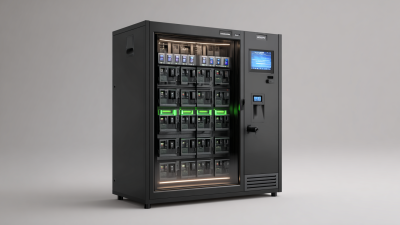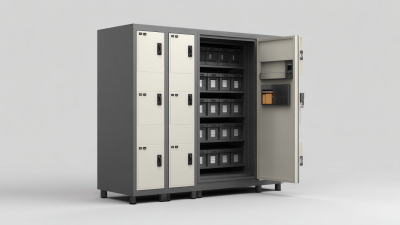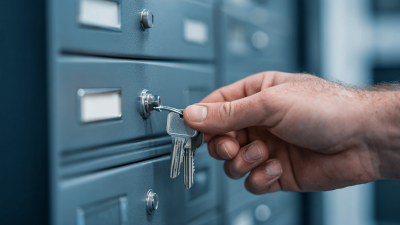
In today's fast-paced world, security and efficient management of keys have become paramount for businesses across various sectors. As noted by industry expert, Johnathan Smith from Secure Lock Solutions, "A well-organized key management system not only enhances security but also streamlines operations." This highlights the crucial role that a Key Control Locker plays in safeguarding sensitive keys while ensuring easy access for authorized personnel.
Key Control Lockers are designed to provide a systematic approach to key storage, reducing the risks associated with lost or stolen keys. With advanced locking mechanisms and digital tracking options, these lockers offer an unparalleled level of safety and accountability. Implementing a Key Control Locker can significantly improve an organization’s key handling processes, ultimately contributing to better operational efficiency and security.
In the following sections, we will delve into the practical steps and best practices for effectively using a Key Control Locker. By understanding how to utilize this vital resource, businesses can improve their key management strategies, minimize security vulnerabilities, and ensure compliance with safety regulations.
Key control lockers are essential for organizations aiming to enhance their security measures. These specialized storage units offer a systematic approach to managing keys, ensuring that access is limited to authorized personnel only. The importance of key control lockers lies in their ability to prevent unauthorized access to sensitive areas, thereby protecting assets and confidential information. By providing a structured environment for key storage, businesses can maintain a clear audit trail, and quickly identify who accessed specific keys and when.
When implementing a key control locker, consider these tips: First, establish a strict access protocol. Assign specific keys to designated individuals and limit access to those who absolutely need it. This not only improves accountability but also minimizes the risk of lost or misplaced keys. Second, conduct regular audits of your key control locker. Frequent checks can reveal discrepancies and ensure that all keys are accounted for, enhancing overall security. Lastly, invest in a key control locker with advanced features, such as electronic access controls or tracking systems, to streamline the process and further boost security measures.
| Feature | Description | Benefits |
|---|---|---|
| Secure Storage | Lockers are designed to safely store keys with restricted access. | Prevents unauthorized access and potential key loss. |
| User Access Control | Allows administrators to assign permissions to specific users. | Enhances accountability and tracking of key usage. |
| Audit Trails | Logs all key access events for review and auditing. | Helps in identifying misuse or theft of keys. |
| Ease of Use | Designed for quick access to keys while maintaining security. | Saves time and improves efficiency in key management. |
| Durable Design | Constructed from high-quality materials to withstand wear and tear. | Long-lasting reliability and reduced replacement costs. |
When selecting the right key control locker for your needs, it’s essential to consider various factors that align with your specific requirements. According to the 2022 Key Management Systems Market Report, the demand for secure key management solutions has increased by 15% over the past year, reflecting growing concerns about security breaches. Organizations must evaluate the size and capacity of the locker, ensuring it can accommodate all keys while maintaining an organized structure. Additionally, features such as electronic access controls and audit trails enhance accountability and minimize the risk of unauthorized access.
**Tips for choosing the right locker include:**
- Assess your organization’s size and key usage frequency to select a locker with appropriate capacity and compartment sizes.
- Opt for a model with integrated software that offers user management features to easily track key assignments and usage history.
- Look for lockers with robust security features like dual authentication or real-time monitoring to safeguard against unauthorized access.
Another consideration is the integration of technology. Many modern key control lockers come equipped with RFID technology, which can streamline key tracking and retrieval. Research from the Security Industry Association indicates that facilities employing RFID solutions have reduced key loss incidents by up to 30%. Thus, investing in technology-enhanced lockers can not only improve security but also enhance operational efficiency.
Organizing keys in a control locker is essential for maintaining security and efficiency in both residential and commercial environments. According to a recent industry report, nearly 70% of businesses experience some form of key mismanagement, leading to increased security risks and operational disruptions. To combat this, effective key organization practices can significantly enhance access control and ensure that keys are readily available when needed.
One best practice is to implement a color-coded labeling system for keys, which helps users quickly identify and retrieve the correct key without sifting through an entire set. Additionally, keeping a digital log of all keys and their assigned users can streamline tracking and accountability. Utilizing modern technology, such as smart locks that offer mobile tracking capabilities, can further bolster security and provide peace of mind. These tools align with industry recommendations, emphasizing the importance of integrating both physical and digital security measures to protect valuable assets. This multi-faceted approach not only safeguards the keys but also contributes to an overall secure environment.
Implementing access control and user permissions is critical in maximizing the effectiveness of a key control locker. According to the Security Industry Association, 74% of security breaches are attributed to improper access control measures. By assigning specific access levels to users, organizations can ensure that only authorized personnel can retrieve or manage keys, significantly reducing the risk of theft or misplacement. A well-structured permission system not only secures the physical assets but also enables a more streamlined operation for facility management.
Moreover, adopting a role-based access control (RBAC) strategy can enhance security protocols. A report from the International Association for Healthcare Security & Safety highlights that organizations employing RBAC have seen a 40% reduction in unauthorized access incidents. By defining user roles—such as administrators, security personnel, and general staff—companies can tailor permissions that align with individual responsibilities. This approach not only improves accountability but also simplifies the process of auditing key usage, as tracking access becomes more straightforward with designated permissions in place.
Regular maintenance and security checks of a key control locker are essential for ensuring the integrity and effectiveness of secure lock management. To maintain optimal functionality, it is crucial to perform routine inspections of the locker, checking for any signs of wear and tear, rust, or mechanical malfunction. This includes not only the physical condition of the locker but also the locking mechanism itself. Ensuring that keys are properly stored and that the locking system operates smoothly can prevent unauthorized access and enhance overall security.
In addition to physical upkeep, implementing a regular schedule for security checks is vital. This includes auditing who has access to the locker, verifying that access records are up-to-date, and confirming that only authorized personnel can retrieve keys. Conducting these audits at consistent intervals helps detect any discrepancies or potential breaches in security early on. Additionally, reinforcing training sessions for employees on the proper use of the locker and the importance of security protocols can significantly reduce the risks associated with key management. By prioritizing regular maintenance and security checks, organizations can better protect their assets and ensure a secure environment.
Training staff on the proper use of key control lockers is essential for any organization aiming to maintain secure lock management. Proper training ensures that employees understand not only how to access and return keys but also the importance of accountability in key usage. By implementing a structured training program, staff can familiarize themselves with the locker system, including the process for logging key checkouts and returns, ensuring they recognize potential vulnerabilities and how to mitigate them.
At Beijing Landwell Electron Technology Co., Ltd., we provide simple and flexible solutions for key management that enhance overall security. Our key control lockers come equipped with user-friendly features that facilitate easy training sessions. By focusing on the practical aspects of key control, such as how to report lost keys and the significance of maintaining a secure environment, staff can help reinforce a culture of responsibility and diligence. Effective training promotes not only compliance with security protocols but also contributes to the overall safety of the workplace, underpinning the company's commitment to complete control and oversight of key usage.
A key checkout and return system is essential for efficient management of a key control locker. This system ensures that all keys are accounted for and reduces the risk of unauthorized access. To establish an effective checkout process, create a simple logging system where employees must record their name, the date, the keys taken, and the expected return date. This practice not only tracks key usage but also promotes accountability among staff members.
Tip: To enhance your checkout system, consider implementing an electronic key management system. These systems can provide real-time tracking and automated notifications when keys are due for return, minimizing the chances of lost or misplaced keys.
The return process should be just as systematic. Set up designated times for key returns and ensure that all keys are checked back in promptly. Regular audits of the key locker can help identify discrepancies early on and enforce compliance with the checkout protocol.
Tip: Encourage team collaboration by assigning a key manager responsible for overseeing the checkout and return process. This individual can help address any issues and maintain the security and integrity of the key control locker.
: Key control lockers are specialized storage units designed to manage keys securely, ensuring access is limited to authorized personnel and protecting sensitive areas from unauthorized access.
They prevent unauthorized access to sensitive areas, protect assets and confidential information, maintain a clear audit trail, and allow for quick identification of who accessed specific keys and when.
By establishing strict access protocols, assigning specific keys to designated individuals, and limiting access to those who absolutely need it.
Regular audits help reveal discrepancies, ensure all keys are accounted for, and enhance overall security.
Organizations should consider lockers with advanced features such as electronic access controls or tracking systems to streamline the process and boost security measures.
It ensures that only authorized personnel can retrieve or manage keys, significantly reducing the risk of theft or misplacement.
RBAC allows organizations to tailor permissions based on user roles, improving accountability and simplifying auditing of key usage.
Regular inspections for wear and tear, checking the locking mechanism, and ensuring that keys are properly stored are essential for maintaining optimal functionality.
Regular security checks include auditing access records and confirming only authorized personnel can retrieve keys, helping to detect discrepancies or potential breaches early.
Reinforcing training sessions on proper use of the locker and the importance of security protocols can significantly reduce risks associated with key management.
A Key Control Locker is an essential tool for effective lock management, ensuring secure access to keys while maintaining oversight of their usage. Understanding the importance of these lockers allows organizations to select the right model tailored to their specific needs, ensuring optimal key organization and security. Best practices include implementing robust access control measures and user permissions, alongside conducting regular maintenance and security checks to safeguard against unauthorized access.
Staff training is also crucial to ensure everyone understands the proper use of the Key Control Locker. Establishing a streamlined key checkout and return system further enhances security and accountability within the organization. By integrating these practices, companies like Beijing Landwell Electron Technology Co., Ltd. can provide simple yet flexible solutions for comprehensive key management, ultimately leading to enhanced security and operational efficiency.