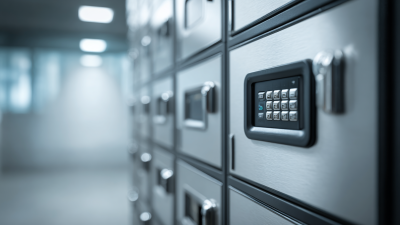
The 139th Canton Fair featured a bunch of cool new innovations, and one that caught people's eye was the Electronic Key Cabinet. It’s a pretty neat invention that helps boost security and keeps things organized for businesses, especially those juggling multiple properties. Honestly, it makes managing keys a whole lot easier, which is a big deal for companies trying to stay on top of things.
When you walk around the fair, you’ll see how this smart cabinet connects with all sorts of modern tech. The AI features are pretty impressive, letting users handle key distribution smoothly and quickly. You can even see how it really makes operations run more efficiently. That said, some folks might find it a bit tricky to get used to a fully digital system right off the bat.
The Electronic Key Cabinet definitely points to a move toward smarter, more high-tech solutions. But, let’s be honest — its fancy features can be a bit overwhelming, especially for small businesses. It’s really worth taking some time to learn how it works rather than rushing into it. The potential gains are huge, but it’s also smart to think about how user-friendly it really is, especially as technology keeps advancing.

What is an Electronic Key Cabinet?
An electronic key cabinet is a secure storage solution for keys. It uses advanced technology to protect and manage access. Users can store multiple keys in a compact space. This cabinet is designed to enhance security and improve organization.
At the 139th Canton Fair, this product attracts attention from many industries. Companies focus on efficient key management. The cabinet features a digital lock, providing access to authorized personnel only. Users input codes for entry, reducing the risk of lost or stolen keys.
Some challenges remain. Installation can be complicated without proper guidance. The user interface might confuse those unfamiliar with technology. Businesses must evaluate their needs carefully. Investing in such a system could yield benefits, but it requires thought and planning.
Features of Electronic Key Cabinets
At the 139th Canton Fair, electronic key cabinets are gaining attention. These cabinets offer a modern solution to manage keys securely. They come with advanced locking mechanisms. This ensures that only authorized personnel can access the keys stored inside.
One standout feature of electronic key cabinets is their user-friendly interface. Users can easily log in to access keys using a numeric code or key card. The cabinets also support real-time monitoring. Users receive notifications about door access and status updates. This adds an extra level of security. Additionally, many cabinets allow remote management. This feature is particularly useful for larger facilities that handle numerous keys.
Despite their advantages, users should remain cautious. Improper use can lead to unauthorized access. Regular audits are necessary for maintaining security levels. Still, the convenience and security offered by electronic key cabinets make them a valuable investment for many businesses. However, a balance must be struck to ensure their effectiveness. Regular assessment and updates are crucial to fully leverage their features.
Benefits of Using Electronic Key Cabinets
Electronic key cabinets are innovative security solutions showcased at the 139th Canton Fair. These cabinets provide a modern alternative for managing physical keys safely. They combine technology and hardware to enhance security and streamline access control.
One significant benefit of using electronic key cabinets is improved organization. Users can store multiple keys in one location, reducing clutter. This can be particularly useful in busy workplaces or storage facilities. Additionally, cabinets often feature digital tracking systems. This ensures no keys are lost or unaccounted for. Email or mobile alerts can notify users of key access, increasing accountability.
However, one must consider potential challenges. Setting up the system might require training. Some employees may resist new technology. It's essential to evaluate the costs against the benefits. These factors can affect overall satisfaction. Regular maintenance will also be necessary to ensure reliability. Addressing these issues can lead to a smoother transition and better long-term results.
Applications of Electronic Key Cabinets in Various Industries
Electronic key cabinets are gaining traction in various sectors. They help manage keys securely and efficiently. Their applications span healthcare, education, and hospitality. Hospitals, for example, often deal with sensitive areas. Access control in these environments is critical. Electronic cabinets simplify the distribution and tracking of keys for restricted zones.
In schools, electronic key cabinets enhance security around facilities. They ensure that only authorized personnel have access. This helps in preventing unauthorized entries. In hotels, guests expect seamless service. Staff can easily retrieve keys from electronic cabinets. It minimizes wait times and enhances customer experience.
Despite these advantages, there are challenges. Not all personnel are tech-savvy. Training may be needed to ensure smooth operation. Costs can also be a hurdle for smaller organizations. Proper implementation requires careful planning. Each organization must assess its unique needs. Balancing security and usability remains a constant concern.
How to Choose the Right Electronic Key Cabinet
Choosing the right electronic key cabinet can seem daunting. With various options available, it’s essential to focus on your specific needs. Consider the size of your operation. Small businesses may opt for compact models. Larger organizations might require multiple cabinets for better organization.
Think about security features. Look for cabinets with robust locking mechanisms. Biometric fingerprint access is popular. Keypads are common as well. Ensure the cabinet is made from durable materials. This prevents tampering and ensures long-term use. Visual appeal also matters. A well-designed cabinet can enhance your office environment.
Tips: Assess how many keys you need to store. Always allow for future growth. Check if the cabinet has a user-friendly management system. This can make tracking keys much easier. Reflect on your current processes. Is the existing method efficient? Adjustments may be necessary for better performance. Remember, choosing the right cabinet can streamline your operations significantly.
Installation and Maintenance of Electronic Key Cabinets
At the 139th Canton Fair, electronic key cabinets are gaining attention. These cabinets are essential for securely storing keys in various settings. They help organizations streamline access control and improve security. The installation of an electronic key cabinet requires careful planning. You need to assess the space and where it will fit best. Consider the number of keys it will hold. It's crucial to ensure proper placement for easy access.
Maintenance of electronic key cabinets is equally important. Regular checks can prevent malfunctions. Keep the locking mechanism clean and lubricated. Inspect the electronic system for any software updates. Sometimes, power issues arise that can disrupt functionality. Having a backup power source is a wise approach. Remember, neglecting these tasks can lead to bigger problems later on.
As you can see, attention to detail is needed. Sometimes, users overlook small signs of wear. This can result in unexpected issues. It's beneficial to create a routine for checks and upkeep. A proactive approach will ensure the cabinet remains reliable. Ensuring your electronic key cabinet is functional and secure will lead to a more organized environment.
What's New in Electronic Key Cabinets at the 139th Canton Fair?
At the 139th Canton Fair, electronic key cabinets showcased innovative features. These devices cater to various industries, ensuring secure key management. The latest models now come with advanced biometric locks. Fingerprint recognition adds a layer of security that many businesses desire.
One notable trend is the integration of smart technology. These cabinets can connect to mobile apps. Users can unlock or monitor keys remotely. This development reflects a growing demand for convenience and efficiency. However, not all models were user-friendly. Some designs appeared complex, potentially deterring buyers.
The fair also highlighted sustainability. Many manufacturers focused on eco-friendly materials. This shift is important for reducing environmental impact. Yet, some cabinets lacked proper recycling information, indicating a need for improvement. Overall, the electronic key cabinets at the fair revealed exciting advancements and opportunities. However, gaps remain in usability and sustainability that need attention.
What is an Electronic Key Cabinet at the 139th Canton Fair? - What's New in Electronic Key Cabinets at the 139th Canton Fair?
| Feature |
Description |
Benefits |
Market Trends |
| Digital Locking System |
Utilizes advanced digital technology for secure access. |
Enhances security and reduces unauthorized access. |
Growing demand for smart security solutions. |
| Remote Monitoring |
Allows users to monitor access remotely via app. |
Improves management efficiency and accountability. |
Increased integration with IoT devices. |
| Audit Trail |
Records all access events for review. |
Facilitates compliance and security assessments. |
Emphasis on accountability in security measures. |
| Customizable Compartments |
Offers various sizes and arrangements for keys. |
Adaptable to different user needs. |
Personalization becoming a key factor for consumers. |
| Integration with Access Control Systems |
Can be connected with existing access control solutions. |
Streamlines overall security infrastructure. |
Rise in comprehensive security system solutions. |
FAQS
: An electronic key cabinet securely stores keys using advanced technology. It enhances security and improves organization.
Various industries utilize electronic key cabinets, including healthcare, education, and hospitality for secure key management.
It features digital locks and restricts access to authorized personnel. Users input codes to minimize the risk of lost keys.
Installation may be complicated, and some users may find the interface confusing. Proper guidance is often necessary.
Costs can be a hurdle for smaller businesses. Careful planning and assessment of unique needs are crucial before deciding.
Think about the size of your operation and key storage needs. Security features, design, and durability matter.
Training may be necessary for users who are not tech-savvy. Ensuring ease of use is key for effective operation.
They allow staff to quickly retrieve keys, minimizing wait times for guests and improving overall service efficiency.
Visual appeal is important. A well-designed cabinet should also be durable, preventing tampering.
Reflect on current key management methods. Assess if adjustments are needed to enhance performance and usability.
Conclusion
The article on "What is an Electronic Key Cabinet at the 139th Canton Fair?" provides a comprehensive overview of the innovative solution that Electronic Key Cabinets offer for secure key management. These cabinets feature advanced locking systems, user-friendly interfaces, and the ability to track key usage, ensuring both access control and accountability. The benefits of using Electronic Key Cabinets include enhanced security, reduced risk of key loss, and improved organizational efficiency, making them suitable for a variety of industries, from hospitality to manufacturing.
Moreover, the article discusses practical aspects such as choosing the right cabinet based on specific needs and the importance of proper installation and maintenance. The recent advancements showcased at the 139th Canton Fair highlight the evolving technology in Electronic Key Cabinets, emphasizing trends that enhance their functionality and integration into modern security systems. Overall, this article serves as a valuable resource for understanding the significance and applications of Electronic Key Cabinets in today’s security landscape.