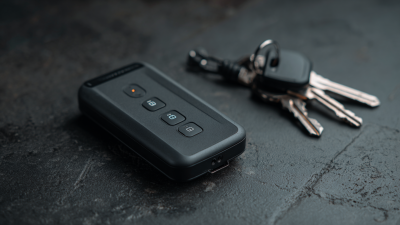
In today’s really fast-moving business world, security honestly has to be a top priority. That’s where an Electronic Key Cabinet can be a real game-changer—it's a smarter, digital way to handle keys. I remember talking to John Smith from LockPro Inc., who’s pretty much an expert in security solutions. He said, “Electronic Key Cabinets aren’t just about keeping track of keys; they make access smoother and help keep things more secure.” His point really hit home—it’s clear that innovative tools like this are becoming more and more important.
Basically, an Electronic Key Cabinet keeps all your keys in one central spot, which helps cut down on issues like losing keys or people getting access who shouldn’t. Plus, it’s easy to see who’s taken what and when they return it. That means fewer human errors and peace of mind. But, honestly, rolling out this kind of tech isn’t always straightforward—some companies just don’t have the budget or resources right off the bat.
At the end of the day, businesses need to think carefully about the pros and cons. The real magic happens when the system is used properly and integrated well into existing workflows. Without some good training, folks might not get the most out of it, which would be a shame. So, understanding how to make the most of these tools is key to boosting both security and efficiency when it comes to managing keys.

What is an Electronic Key Cabinet?
An electronic key cabinet is a secure storage solution designed to manage and protect keys. It utilizes digital technology to control access and track usage. The cabinet is made of durable materials, often featuring a metal exterior. Inside, there are designated slots for each key, reducing the risk of misplacement. When someone needs a key, they can access it through a digital keypad or a biometric scanner.
These cabinets typically have a locking mechanism that requires the user to enter a code or scan their fingerprint. This ensures that only authorized personnel can retrieve keys. Some models even feature alerts for unauthorized access attempts. The cabinets often integrate with facility management systems, providing data on who accessed which keys and when. This historical record fosters accountability.
Despite their effectiveness, electronic key cabinets may have drawbacks. They can be expensive and require regular maintenance. Users sometimes struggle with technology or encounter software glitches. It’s crucial to provide proper training for all staff members. Regular audits are also necessary to ensure the system remains secure and functional.
Key Cabinet Types: Mechanical vs. Electronic
Key cabinets are essential for managing access to valuable assets. They come in two main types: mechanical and electronic. Mechanical cabinets typically use a keyed lock or combination system. These cabinets are straightforward and reliable. However, they can be limited by the number of keys they hold and the effort needed to manage them. If a key is lost, it might require recutting or replacing locks entirely.
In contrast, electronic key cabinets offer more flexibility and control. They often include features like key tracking and audit logs. This means users can monitor who accessed which key and when. Though they may be more expensive, they save time in the long run. Still, electronic systems rely on power. A power failure could lead to accessibility issues.
Both types have their pros and cons. Mechanical cabinets are easy to use but may become cumbersome for larger operations. Electronic cabinets streamline access but can fail if not properly maintained. Choosing the right type involves weighing these factors and understanding specific needs. Reflecting on your access management can help determine the best solution for your organization.
What is an Electronic Key Cabinet and How Does It Work? - Key Cabinet Types: Mechanical vs. Electronic
| Type |
Description |
Advantages |
Disadvantages |
Best Use Case |
| Mechanical Key Cabinet |
A cabinet with a physical lock mechanism that requires a key to open. |
Simple to use, no batteries required, generally lower cost. |
Physical keys can be lost or stolen, limited access control. |
Small businesses or environments with low access needs. |
| Electronic Key Cabinet |
A cabinet that uses electronic locks, typically with keypad or biometric access. |
Enhanced security, access logs, can accommodate multiple users without physical keys. |
Higher initial costs, dependent on power supply, potential for technical issues. |
Businesses requiring high security and strict access control. |
| Hybrid Key Cabinet |
Combines mechanical and electronic features for flexibility. |
Offers both electronic access control and the option for physical keys. |
Can be more complex to manage, may have higher maintenance needs. |
Organizations seeking a balance of traditional and modern security. |
Key Management and Security Statistics in Industries
Key management is essential for various industries, as statistics reveal that 80% of businesses have experienced security breaches due to poor key control. In regulated environments like healthcare, improper key management can lead to severe consequences. A study shows that nearly 30% of healthcare providers face enhanced security risks if their key systems are not adequately managed.
Retail and hospitality sectors also struggle with key mismanagement. A survey indicated that 40% of these businesses have lost keys, resulting in unauthorized access. This not only affects security but also incurs significant financial losses, with an estimated average cost exceeding $5,000 per incident. Such figures highlight the urgency for organizations to adopt effective key management solutions.
As industries evolve, technology plays a crucial role in enhancing key control. Electronic key cabinets offer advanced tracking, auditing, and security features. The reliance on traditional key systems is becoming outdated. However, organizations often hesitate to upgrade their systems, despite knowing the risks. This gap indicates a need for reflection on security priorities.
How Electronic Key Cabinets Enhance Asset Security
Electronic key cabinets play a crucial role in enhancing asset security. These cabinets provide a secure way to manage and store keys. By utilizing advanced locking systems, they limit access to authorized personnel only. This reduces the chances of lost or stolen keys, which can lead to significant security breaches.
The technology behind electronic key cabinets also allows for greater oversight. Every transaction is logged, creating an audit trail. If a key is not returned on time or is accessed during unusual hours, alerts can notify security personnel. This real-time monitoring improves accountability and helps deter unauthorized access. While this system significantly enhances security, it also raises questions about reliance on technology. What happens during a power failure?
Despite the advantages, the human factor cannot be overlooked. Training staff to use the cabinets effectively is essential. Misplaced keys due to negligence still occur and can undermine the system's integrity. Testing and refining these processes is necessary to optimize overall security. It's clear that while electronic key cabinets offer innovative solutions, they require ongoing assessment and improvement.
Components of an Electronic Key Cabinet Explained
An electronic key cabinet enhances security and efficiency for organizations managing numerous keys. Its core components work together seamlessly to provide access control and tracking. The cabinet's locking mechanism is usually electronic and is operated through a keypad or RFID system. This means only authorized personnel can gain access.
Another vital element is the internal monitoring system. It records who accesses the keys and at what time. This feature ensures accountability and helps track the usage of keys effectively. Additionally, many cabinets come with alert systems. These alerts notify administrators of unauthorized attempts to access the cabinet, providing real-time security.
Some designs incorporate compartments for different types of keys. This organization makes it easy to find and return keys quickly. However, users might find the initial setup challenging. Proper installation and programming require careful attention. The learning curve can be steep, leading to potential frustrations. Understanding these components helps organizations select the ideal electronic key cabinet for their unique needs.
How Access Control Systems Integrate with Key Cabinets
Electronic key cabinets have become essential in modern access control systems. These cabinets store keys securely while offering easy access to authorized personnel. They significantly reduce the risk of lost keys and unauthorized access. A study by the Security Industry Association noted that 70% of businesses that implemented electronic key cabinets reported improved security.
Access control systems work seamlessly with key cabinets. They allow businesses to monitor key usage in real-time. This integration enhances accountability, as the system logs every time a key is accessed. According to a recent report by MarketsandMarkets, the access control market is expected to reach $12 billion by 2026, reflecting the growing importance of integrating technology in the management of physical assets.
Tips: Evaluate your facility’s needs before selecting a key cabinet. Consider capacity, security features, and integration options with your existing access control systems. Regular audits of key usage can provide insights into potential security flaws. Additionally, provide training for staff on the system's usage to ensure everyone understands their responsibilities. Remember that technology is not foolproof, and regular maintenance is essential for optimal performance.
Usage of Electronic Key Cabinets in Different Industries
Future Trends in Electronic Key Cabinet Technology
The future of electronic key cabinets appears promising as technology continues to evolve. These cabinets are integrating advanced features that enhance security and efficiency. One significant trend is the use of biometrics. Fingerprint scanning offers a secure way to access keys. This method reduces the risk of unauthorized access.
Another trend is the integration of IoT (Internet of Things) technology. Key cabinets can now connect to networks, allowing for remote monitoring. This feature alerts users to potential issues, like unauthorized access attempts. Managers can oversee multiple cabinets across locations from a single device. Mobility like that can change how businesses manage their assets.
Despite these advancements, there are challenges. Some users may feel overwhelmed by technology. It is crucial for companies to provide training and support. The future also raises questions about data security. As cabinets become smarter, safeguarding information becomes essential. Careful consideration of these factors will shape how electronic key cabinets evolve in coming years.
Enhancing Security and Efficiency in Auto Dealerships: Insights from Recent Data on Electronic Key Cabinets and Asset Management Systems
In the rapidly evolving landscape of auto dealerships, enhancing security and efficiency is paramount. One innovative solution is the implementation of electronic key cabinets, which streamline the key management process. These cabinets not only automate the handover of keys but also ensure that each vehicle key can only be accessed through a specific reservation or allocation system. By doing this, dealerships can significantly reduce the risk of theft and unauthorized access, ultimately safeguarding their assets.
Moreover, the integration of web-based key management software provides dealerships with real-time tracking capabilities. This technology allows staff to monitor the location of keys and vehicles at any time, enhancing operational efficiency. Additionally, the system logs the last individual who utilized a vehicle, promoting accountability and further reducing the potential for misplaced or mismanaged assets. By embracing such advanced solutions, auto dealerships can optimize their asset management and reinforce security protocols, paving the way for a more streamlined and secure operational environment.
FAQS
: An electronic key cabinet is a secure storage solution for managing and protecting keys.
It uses digital technology to control access, often via a keypad or biometric scanner.
They are typically made from durable materials, often featuring a strong metal exterior.
Some cabinets send alerts for unauthorized access attempts, enhancing security.
Yes, they can integrate with facility management systems for tracking key usage.
They can be expensive and may have technology issues that require staff training.
Providing proper training and conducting regular audits are essential for effectiveness.
It's important to have a plan in place, as technology reliance raises concerns in outages.
Every transaction is logged, showing who accessed which keys and when.
Negligence can lead to misplaced keys, underlining the need for ongoing assessment.
Conclusion
An Electronic Key Cabinet is a secure storage solution designed to manage and protect keys for various assets. Unlike traditional mechanical cabinets, electronic models offer enhanced security features, such as access control systems that limit key retrieval to authorized personnel only. This innovation is particularly crucial in industries where key management is vital for safeguarding assets, as evidenced by key management and security statistics highlighting the rise in theft and asset loss.
The electronic key cabinet consists of components like key slots, locking mechanisms, and an interface for tracking usage and access. These cabinets not only help in organizing keys efficiently but also integrate seamlessly with broader access control systems, leading to better asset security. Future trends indicate a focus on smarter technology, which will further improve the functionality and security of electronic key cabinets, making them an indispensable tool for businesses aiming to enhance their operational integrity.