
Picking out the right fingerprint key cabinet can really make a difference when it comes to boosting your security. These cabinets aren’t just your basic storage—they come with high-tech locking systems that use biometric tech, which basically means only people with the right fingerprint can get in. With all the worries about theft and unauthorized access these days, having a trustworthy fingerprint cabinet isn’t just a good idea — it’s pretty much essentials.
That said, figuring out which one is right for you isn’t always super easy. There are so many options out there, with different features and price tags. It’s important to think about what your specific security needs are—because not all fingerprint cabinets are created equal. Not every model guarantees top-notch protection, so it’s smart to do a bit of homework and compare what’s available.
Sometimes, a cabinet might look perfect at first glance, but then you realize it doesn’t have the durability or the features you really need. Checking out reviews from other users can help keep your expectations realistic. Buying a fingerprint key cabinet is a pretty big deal, so taking the time to make an informed decision can really pay off — and help you keep your assets safe and sound.

Factors to Consider When Buying a Fingerprint Key Cabinet
When selecting a fingerprint key cabinet, security is paramount. Look for robust materials that resist tampering, such as heavy-duty steel. Consider the locking mechanism; it should feature a reliable fingerprint scanner with a user-friendly interface. A good scanner should quickly recognize registered prints, minimizing wait times during access.
Evaluate the cabinet’s storage capacity. Ensure it can accommodate all keys without overcrowding. An organized interior with specific hooks or slots makes retrieval easier. Count the number of authorized users. Some cabinets allow multiple fingerprints, while others are more restrictive. This can impact access for family members or staff.
User experiences can reveal the cabinet's practical flaws. Seek out user reviews that highlight performance in real-world situations. How well does it function in daily use? Is there a delay when scanning?
Considering these factors helps refine your choice. Additionally, think about the environment. Is there potential exposure to moisture or dust that could affect the electronics? These reflections are crucial in making an informed decision.


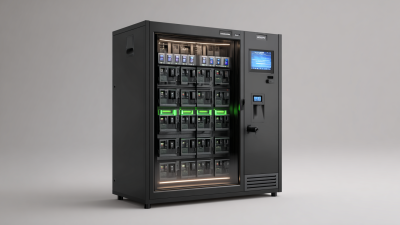
Enhancing Security and Efficiency in Gaming Environments with the Landwell i-keybox-100 Electronic Key Box System
In the dynamic landscape of gaming environments, security and efficiency are paramount. The introduction of advanced key management systems, like those utilizing electronic solutions, significantly enhances these aspects. With an intelligent approach to key management, organizations can ensure that only authorized personnel have access to specific keys, thereby safeguarding critical assets and promoting a culture of accountability among staff members.
Studies indicate that businesses implementing such systems see a notable reduction in unauthorized access incidents. According to recent industry reports, organizations can reduce security breaches by up to 70% through controlled access mechanisms. Additionally, the efficiency gained from utilizing electronic key management systems contributes to a streamlined workflow. The capability to track who took a key, when it was removed, and when it was returned provides a comprehensive audit trail. This not only reinforces security protocols but also reduces the time spent managing keys and accessing assets, allowing teams to focus on more strategic tasks.
Moreover, the adoption of key control solutions has been linked to enhanced operational performance. Reports show that organizations employing these systems have experienced a decrease in asset loss and theft, translating into significant cost savings. By leveraging technology for key management, gaming environments can elevate their security standards while simultaneously improving operational efficiency, ensuring a safe and productive atmosphere for both staff and patrons.

FAQS
: Fingerprint technology significantly enhances access control and reduces risks, leading to fewer unauthorized incidents.
They securely store keys and restrict access to authorized personnel only, strengthening overall protection.
Look for quick recognition, accuracy, support for multiple fingerprints, and durable materials like steel.
Some devices may perform poorly in low light conditions or have slower scanning times.
Regular updates ensure ongoing protection and help maintain the effectiveness of the security system.
Consider investing in fingerprint technology for long-term savings and improved security.
Certifications indicate the cabinet has met industry standards, providing assurance against unauthorized access.
Proper training can prevent misuse and ensure effective use of fingerprint technology.
Backup power ensures continued access even if primary batteries fail, enhancing reliability.
Compare features, certifications, and read reviews to find options that meet your specific security needs.
Conclusion
When considering a Fingerprint Key Cabinet, several key factors come into play to ensure enhanced security and management. The significance of fingerprint technology in security management is paramount, as it provides a reliable method for granting access to authorized individuals while deterring unauthorized entry. A comparative analysis highlights the advantages of fingerprint key cabinets over traditional locking systems, emphasizing their advanced features such as biometric authentication and user-friendly interfaces.
When purchasing a Fingerprint Key Cabinet, look for essential characteristics like durability, security ratings, and certifications to guarantee high quality. Understanding the cost-benefit ratio is crucial, as investments in advanced security systems can lead to long-term savings and improved safety. Additionally, proper maintenance and adherence to best practices are vital for maximizing the effectiveness of your fingerprint key cabinet, ensuring that it continually meets your security needs.
Related Posts
-

Unlocking Security: How Fingerprint Key Cabinets Enhance Safety in Modern Workspaces
-

How to Choose the Best Fingerprint Key Cabinet for Your Security Needs
-

Why Choose a Fingerprint Key Cabinet for Secure Storage?
-
Ultimate Guide to Choosing a Smart Key Management Cabinet: Key Trends & Industry Insights for Global Buyers
-

What is an Electronic Key Cabinet at the 139th Canton Fair?
-

Best Fingerprint Key Cabinet for Secure Access Control?
