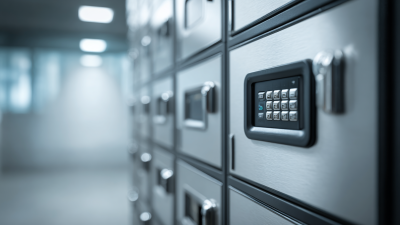
When you're thinking about keeping your valuables safe, a Lockable Key Cabinet is pretty much a must-have for any organization. It's a handy, versatile solution—not just for managing who has keys but also for making sure your assets are secure. But honestly, picking the right one can feel a bit overwhelming with so many features out there these days.
Getting what a Lockable Key Cabinet can do for you is pretty important. You want to look at stuff like its size, the locking system, and what it’s made of. Top-quality cabinets are usually built tough, designed to withstand tampering and keep everything secure. Plus, they help keep your keys organized, which can really boost efficiency in your day-to-day operations.
That said, not all cabinets are created equal. Some might have extra features that seem cool at first but turn out to be unnecessary for what you actually need. It's really worth taking a moment to think about your specific requirements. Sometimes, going for practicality over fancy looks can make a big difference. In the next part, I’ll break down some of the key features you should keep in mind—so you can make a smart, informed choice without the stress.
When considering the security of key cabinets, understanding the various locking mechanisms is crucial. A report from the Security Industry Association highlights that around 30% of break-ins occur due to inadequate locking systems. This statistic underscores the importance of robust features like deadbolts and electronic locks. Deadbolts offer better resistance against forced entries than traditional locks, enhancing overall security. On the other hand, electronic locks often come with advanced features, like temporary access codes. These codes can be altered easily, adding another layer of security.
Moreover, the material of the cabinet plays a significant role in its security. Metal cabinets are typically more resistant to tampering compared to plastic models. The National Institute of Standards and Technology indicates that cabinets made of at least 16-gauge steel provide a solid defense against unauthorized access. Additionally, consider features like alarm systems and biometric access, which are gaining popularity in modern security solutions. These technologies often bolster confidence in a key cabinet system, but they can sometimes present a single point of failure, necessitating regular maintenance and updates.
While enhanced features increase security, they might not always guarantee it. Users must assess the risk level before investing. Overly complicated locking systems may lead to user frustration. It's essential to find a balance between security and usability. Even the best locking mechanism can fall short if not used correctly. Regular training and assessments can help users maintain optimal security practices, ensuring that the potential of key cabinets is utilized effectively.
When considering a key cabinet, durability is crucial. The materials used significantly affect its lifespan. Metal cabinets often offer superior strength. They resist damage better than wood or plastic. A sturdy metal key cabinet can withstand impacts, making it ideal for high-traffic environments. However, heavy materials might add weight, which can be a concern for mobility.
Wooden cabinets provide an elegant look but come with trade-offs. They can be easily scratched or dented. Depending on the wood type, they may warp over time, especially in humid environments. Plastic cabinets are lightweight and resist rust. Yet, they might not hold up against strong impacts. It’s essential to weigh aesthetics against functionality.
A key cabinet's locking mechanism also impacts durability. A solid lock is a must for security. If the lock fails, the entire cabinet's effectiveness diminishes. Consider these factors deeply before making your choice. A durable key cabinet not only protects keys but also ensures peace of mind.
Choosing the right size for a lockable key cabinet is crucial. The capacity directly affects its usability and efficiency. A cabinet that is too small may lead to overcrowding. In contrast, one that is excessively large can waste space and resources. Consider the number of keys you need to store. This initial assessment lays the groundwork for a proper selection.
Think about the keys' size and shape as well. Larger keys or key fobs require more space. If you have a mix of key types, choose a cabinet that accommodates them all. It’s wise to plan for future needs, too. If you anticipate acquiring more keys, opt for a cabinet with added capacity.
Pay attention to the different configurations available. Some cabinets offer adjustable shelves or key hooks. These features allow customization based on varying key sizes. Reflect on where you’ll place the cabinet. Ensure that the chosen size fits within your designated space. Balancing capacity with accessibility will lead to a more functional setup.
When choosing a key cabinet, mounting options play a crucial role. Wall-mounted cabinets are a popular choice for many businesses. They save floor space and are harder to remove. Installing them at eye level makes accessing keys quick and efficient. However, if a wall doesn’t suit your space, consider free-standing options. These cabinets are versatile and movable. They can fit in various locations, making them convenient for changing office layouts.
Each option has its pros and cons. Wall-mounted cabinets can be more secure but may require drilling and installation tools. On the other hand, free-standing cabinets might require more space. They can tip over if not secured properly. Reflecting on these details is essential when weighing your choices. Consider if you need flexibility or stability. Evaluate your environment carefully to see which type fits your operational needs best.
Ultimately, the decision should align with your unique requirements. It’s important to find a balance between accessibility and security. Think about how often you will need to access the keys versus the risks of theft or misplacement. This will guide you in selecting the right key cabinet for your situation.
Managing keys effectively is crucial for maintaining security and organization within any facility. Access control through key management systems enhances this process. These systems help in tracking keys and limiting access. This means only authorized personnel can access specific keys, reducing the chances of loss or theft.
Using a key cabinet with a lock ensures that only designated users can retrieve keys. Opt for cabinets that offer electronic locks for added security. They provide real-time access logs, allowing managers to see who accessed keys and when.
Tip: Regular audits of key usage can help identify any irregularities. This not only boosts security but also reinforces responsibility among employees. Check whether your key management system allows for easy reporting and tracking.
Consider choosing cabinets with customizable compartments. This allows for better organization and quick retrieval of keys. A well-organized system minimizes time spent searching for the right key.
Tip: Encourage staff to return keys immediately after use. This fosters a culture of accountability and keeps your key management system running smoothly. Regular training on how to use these systems is also beneficial.
When considering a lockable key cabinet, portability becomes a crucial factor. The right design and weight make it easy to transport. Lightweight materials can significantly reduce the burden when moving the cabinet. A well-designed handle enhances your grip, making it more comfortable during transport. Focus on the shape and dimensions. A compact cabinet fits into tight spaces easily.
Evaluate the locking mechanism too. A heavy-duty lock can add weight. However, it may not be necessary for all environments. If you’re frequently moving the cabinet, a balance between security and portability is essential. Consider models with built-in wheels for added convenience. They can minimize strain during transportation.
Convenience and ease of use are vital. Some cabinets have detachable parts that can lighten the load. Others feature adjustable shelves for customizable storage. Reflect on your needs. A cabinet that is portable may sacrifice some security features. Weigh the pros and cons based on your usage. Remember, the ultimate goal is to find a balance that meets your specific requirements.
When choosing a lockable key cabinet, aesthetics play a crucial role. The way a cabinet looks can influence not only its placement in your space but also how you perceive security. A sleek, modern design can blend seamlessly into an office environment. Conversely, a bulky or outdated model may stand out in a negative way. Consider the materials used; metal cabinets offer durability while wood provides a warmer look.
Color is another significant factor. Neutral tones can match almost any decor, while vibrant colors may enhance creativity. A well-designed cabinet should not only serve a functional purpose but also contribute to the overall ambiance of a room. People often overlook how essential this is when making a purchase. The visual appeal can affect your use and interaction with the cabinet.
The finish also matters. A smooth, polished surface can attract attention, making keys easy to find. Conversely, a matte finish may show fingerprints, leading to constant maintenance. These details contribute to the cabinet's practicality. Reflecting on these design choices can lead to better satisfaction with your selection. Make sure to weigh function against appearance, ensuring that your choice serves both needs well.
| Feature | Description | Importance |
|---|---|---|
| Aesthetic Design | Visually appealing designs that match the decor of your space. | Enhances the overall look of the environment. |
| Security Features | Robust locks and tamper-proof designs. | Ensures the safety of your keys. |
| Size Configurations | Available in various sizes for different needs. | Accommodates both small and large key collections. |
| Material Quality | Made from durable and high-quality materials. | Ensures longevity and resistance to wear. |
| Mounting Options | Flexible mounting solutions (wall-mounted or free-standing). | Adaptable to different spaces. |
| Ease of Access | Quick access to keys when needed. | Increases efficiency in key management. |
| Organizational Features | Includes hooks, labels, and compartments. | Helps in systematic key storage. |
| Color Options | Various color choices for personalization. | Matches individual style preferences. |
| Price Range | Varied pricing to fit different budgets. | Allows for options from economical to premium. |
| User Reviews | Feedback from other users regarding experience. | Provides insight into performance and satisfaction. |
In today's fast-paced automotive industry, managing vehicle assets efficiently and securely has become increasingly vital. Electronic key cabinets have emerged as a leading solution for businesses seeking to automate and streamline their key management processes. These systems not only enhance operational efficiency but also significantly bolster security measures. According to industry studies, organizations utilizing automated key management systems can reduce the time spent on key retrieval by up to 75%, thereby optimizing staff productivity.
One of the most compelling benefits of electronic key cabinets is their capability to prevent unauthorized access and potential theft. Each key can only be retrieved or returned through a designated reservation or allocation process. This ensures that a vehicle’s keys are strictly controlled, allowing companies to mitigate risks associated with misplaced or misused keys. Industry data suggests that businesses adopting these systems have reported a notable decrease in theft incidents, reinforcing the importance of security in vehicle asset management.
Moreover, modern key management solutions are complemented by web-based tracking software, which enables real-time monitoring of key locations and vehicle usage. This transparency provides businesses with valuable insights regarding their asset management, including accountability through tracking the last person who accessed each vehicle. Such features contribute to more informed decision-making and enhance overall operational oversight, proving that investing in electronic key cabinets is not only wise but necessary for efficient vehicle asset management.
: Locking mechanisms and cabinet materials are crucial for key cabinet security.
Deadbolts provide better resistance against forced entries, enhancing overall security.
Electronic locks can use temporary access codes that are easy to change, adding more security.
Metal cabinets, especially those made of at least 16-gauge steel, are more resistant to tampering.
Alarm systems and biometric access are popular but may also have maintenance needs.
Yes, overly complicated systems can frustrate users and decrease security effectiveness.
Consider your environment, space availability, and balance between security and accessibility.
They save floor space and are harder to remove, making them typically more secure.
They require more space and can tip over if not properly secured or placed.
Yes, regular training helps users maintain optimal security practices and understand the system.
When considering the purchase of a Lockable Key Cabinet, there are several key features that buyers must prioritize to ensure they meet their specific needs. Security is paramount, and understanding various locking mechanisms is crucial to safeguard your keys effectively. Durability also plays a significant role, as the materials used can greatly impact the cabinet’s lifespan. Additionally, capacity considerations will help you choose a model that perfectly fits your key storage requirements.
Buyers should also evaluate mounting options, deciding between wall-mounted or free-standing cabinets based on their space and accessibility needs. Incorporating access control systems can enhance organization significantly, while examining portability features ensures ease of transport. Finally, aesthetic design should not be overlooked; a visually appealing cabinet can complement your workspace while fulfilling practical storage functions. Overall, these features collectively enhance the functionality and security of a Lockable Key Cabinet, making it an essential tool for efficient key management.