
China has really become a major hub for manufacturing access-control hardware and connected security products. In this article, I’m taking a closer look at China’s top 10 Automated Key Box suppliers—based on real-world purchasing factors, not just marketing hype. The focus is on things like product reliability, engineering know-how, customization options, and ongoing support.
A good supplier should be transparent about their factory info and have a solid track record of consistent quality. Pay attention to key details like whether they use zinc alloy or reinforced steel for durability, weather-resistant finishes, secure locking mechanisms, and stable battery performance. If you’re eyeing their smart models, it’s a good idea to peek at their mobile apps, Bluetooth or Wi-Fi features, access permissions, audit logs, and data security practices. Also, don’t forget to check certifications, request samples, understand their production capacity, and see how thorough their inspection process is—little things can make a big difference.
And let’s not overlook service. It’s important.
We’ve evaluated these suppliers not just on product features but also based on their experience working with hotels, property management companies, construction projects, logistics firms, and residential setups. Their ability to support private labeling, customize packaging, update firmware, and provide replacement parts can be a game-changer. Honestly, pricing alone can be pretty deceiving, since a low quote might mean missing out on testing, software support, or after-sales help.
Keep in mind, supplier info can change over time. So, take these rankings as a helpful guide rather than a final judgment. Some manufacturers communicate really well but might lack detailed technical docs. Others might produce highly reliable hardware but struggle with software usability. I’m acknowledging these imperfections, and I’d recommend you ask for samples, double-check specs, and test out actual performance before you commit to buying. The goal here is to give you a clearer, more trustworthy picture of China’s Automated Key Box market—and help you make smarter choices.

What Are Automated Key Boxes and How Do They Work?
China Top 10 Automated Key Box Suppliers?
Automated key boxes store and release keys through electronic access controls. Users may enter a PIN, scan a QR code, or verify a mobile credential. A motorized latch then opens the compartment. The system records the user, time, and access event. This creates a clearer audit trail than a handwritten key log.
The technology is moving beyond simple storage. Many units now include remote monitoring, tamper alerts, battery warnings, and temporary permissions. Grand View Research valued the global smart lock market at approximately USD 2.5 billion in 2023. MarketsandMarkets projects continued double-digit growth through 2028. These reports cover smart locks broadly, not key boxes alone, so the figures need careful interpretation. That distinction matters. A key box can still fail when its battery is ignored, its network is weak, or emergency access is poorly planned.
Tips: Choose weather-resistant housing for outdoor installation. Test PIN expiry and event records before daily use. Keep a mechanical backup procedure, but protect it carefully. The best supplier should provide clear specifications, security testing evidence, warranty terms, and responsive technical support. Check whether the box supports offline operation during network outages. Small details often decide reliability.
China Top 10 Automated Key Box Suppliers? - What Are Automated Key Boxes and How Do They Work?
Comparative overview of automated key box technologies, specifications, and application capabilities
| Rank | Supplier Profile | Typical Product Type | Key Capacity | Unlock Methods | Connectivity | Power Configuration | Operating Temperature | Common Applications | How the System Works |
|---|---|---|---|---|---|---|---|---|---|
| 1 | Supplier Profile A | Cloud-managed wall-mounted key cabinet | 20–48 keys | PIN, RFID card, mobile authorization | Wi-Fi, 4G optional | AC adapter with backup battery | −20°C to 60°C | Property management, vehicle fleets | A controller verifies the user, releases the assigned compartment, and records key removal and return events. |
| 2 | Supplier Profile B | Electronic key locker with touch display | 12–30 keys | PIN, QR code, fingerprint option | Ethernet, Wi-Fi | 100–240 V AC | 0°C to 50°C | Hotels, rental properties, offices | The display communicates with electronic locks and the access platform before permitting a specific key slot to open. |
| 3 | Supplier Profile C | Outdoor smart key cabinet | 8–24 keys | PIN, RFID, temporary code | 4G LTE, Bluetooth service mode | Battery-powered; optional solar charging | −30°C to 60°C | Construction sites, field service, real estate | A time-limited credential is sent to the cabinet, which validates the code locally or through a cellular connection. |
| 4 | Supplier Profile D | Modular key management cabinet | 24–96 keys | PIN, RFID, barcode, administrator override | Ethernet, Wi-Fi | AC power with UPS support | 5°C to 45°C | Factories, hospitals, logistics centers | Additional modules are connected to a central controller, allowing permissions and audit records to be managed from one interface. |
| 5 | Supplier Profile E | Compact wall-mounted smart key safe | 1–8 keys | PIN, mobile app, one-time password | Bluetooth, Wi-Fi gateway | AA batteries or rechargeable battery | −10°C to 50°C | Short-term rentals, homes, small offices | The lock receives a digital credential through Bluetooth or a gateway and unlocks only during the authorized period. |
| 6 | Supplier Profile F | Vehicle fleet key dispensing locker | 10–40 keys | RFID, PIN, employee ID, barcode | Ethernet, 4G optional | AC power with emergency release | 0°C to 50°C | Car rental, delivery fleets, service companies | The system associates each key with a user or vehicle record and confirms return through a sensor or electronic tag. |
| 7 | Supplier Profile G | High-security electronic key cabinet | 16–64 keys | Biometric verification, PIN, RFID | Ethernet, isolated local network | AC power with battery backup | 5°C to 40°C | Public facilities, laboratories, security areas | Multi-factor authentication is checked before an electronic latch releases, while access events are retained in an audit log. |
| 8 | Supplier Profile H | Touchless QR-code key cabinet | 6–24 keys | QR code, mobile app, PIN backup | Wi-Fi, 4G optional | AC adapter with rechargeable backup | 0°C to 45°C | Visitor access, maintenance teams, property services | A scanner reads a digitally generated QR credential and sends the result to the lock controller for authorization. |
| 9 | Supplier Profile I | Industrial key control station | 30–120 keys | RFID, PIN, employee card | Ethernet, industrial protocol integration | AC power with UPS option | 5°C to 45°C | Manufacturing, utilities, warehouses | The controller identifies the authorized operator, monitors slot status, and synchronizes key movements with a central management system. |
| 10 | Supplier Profile J | Basic electronic key safe with audit trail | 1–20 keys | PIN, mechanical emergency key | Standalone; USB data export | Battery-powered | −10°C to 50°C | Small businesses, residential buildings, workshops | A local electronic keypad validates the PIN and releases the latch; access records can be reviewed or exported by an administrator. |
Automated key boxes are electronic storage systems that control, track, and document access to physical keys. Depending on the model, users authenticate with a PIN, RFID credential, QR code, biometric method, or mobile application. After verification, an electronic latch releases the designated compartment, and sensors or electronic tags record the key's removal and return.
Automotive Key Intelligent Management System: Insights from 2024 S&P Global Mobility and McKinsey Reports
As vehicles become more connected and fleet operations grow more complex, traditional key cabinets and manual sign-out procedures can create delays, weak accountability, and unnecessary security risks. S&P Global Mobility’s 2024 vehicle-age analysis reported that the average age of vehicles in operation in the United States reached approximately 12.6 years, highlighting the need to manage diverse fleets with different key types, usage patterns, and maintenance requirements. An intelligent automotive key management system provides a centralized solution by recording key access, assigning permissions, and tracking every handover in real time.
The transition toward software-defined vehicles is also increasing the importance of digital control and operational visibility. A 2024 McKinsey analysis projected that automotive software and electronics could grow from about $238 billion in 2020 to roughly $469 billion by 2030. In this environment, intelligent key management can complement broader vehicle digitization through automated identification, secure storage, remote monitoring, and detailed usage records. With continuous development of the automobile industry, the system helps reduce administrative workload, improve vehicle availability, and support more standardized fleet processes across dealerships, rental operations, service centers, and corporate vehicle pools.

FAQS
: Check engineering experience, production control, and after-sales support. Ask for traceable quality records. Request sample units before ordering in bulk. Clear answers matter more than polished promises.
Common housings use steel or zinc alloy. Protected compartments help shield keys from damage. Choose stronger weather protection for outdoor locations. A damp gate needs extra attention.
Systems may support PIN codes, RFID cards, fingerprints, or mobile authentication. Some allow temporary permissions for staff or scheduled visitors. Permission settings should be tested in real conditions. They can feel confusing.
Some models provide offline access. Ask how access works during network failure. Test emergency power options and battery replacement procedures. A backup method is essential.
Cloud dashboards may record users, opening times, and access events. Alerts can report forced entry, repeated failures, or low battery levels. Check whether audit records are accurate. Do not trust the screen alone.
Inspect mounting strength and compartment protection. Test the box during rain and weak network coverage. Check whether moisture can reach the keys. A short outdoor trial may reveal hidden problems.
Suppliers should explain firmware updates, replacement parts, warranties, and maintenance. They should also provide emergency access instructions. Delivery schedules need written confirmation. Vague promises create avoidable risk.
Not usually. Compare communication, customization stability, support, and quality records. Test several units under repeated use. A polished sample may hide inconsistent production. That risk deserves honest reflection.
Conclusion
This guide introduces the Automated Key Box, explaining how it securely stores, manages, and releases keys through access codes, electronic verification, and centralized control systems. It examines the main factors for evaluating suppliers in China, including manufacturing capability, product reliability, certification, quality control, communication, delivery performance, and after-sales service. The article also presents a practical overview of ten supplier types and the solutions they commonly provide, without focusing on specific brand names.
Readers will learn about important features such as PIN access, card or biometric identification, remote management, audit records, real-time alerts, emergency access, weather-resistant construction, and system integration. A clear comparison framework covers product range, customization options, minimum order requirements, pricing, lead times, technical support, and warranty policies. Finally, the guide explains how to define application needs, verify supplier qualifications, request samples, assess total costs, and select a dependable partner for purchasing the right Automated Key Box.
Related Posts
-

What is an Electronic Key Cabinet at the 139th Canton Fair?
-

Unleash the Power of Key Storage Boxes for Ultimate Security and Organization
-
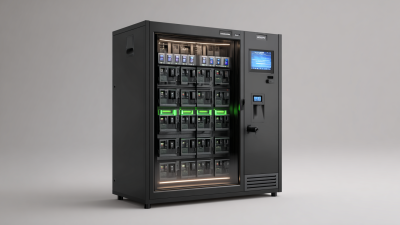
Ultimate Guide to Choosing a Smart Key Management Cabinet: Key Trends & Industry Insights for Global Buyers
-

Why Choose an Automated Key Box for Your Property Management?
-
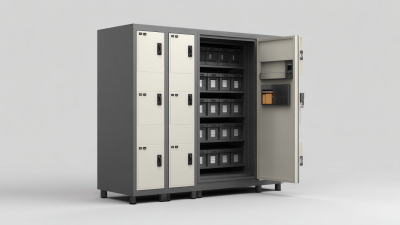
Understanding the Importance of Key Locker Cabinets in Modern Security Solutions
-

What is a Valet Key Box and How Does It Work?
