
In the rapidly evolving landscape of security solutions, the significance of effective Key Fob Management cannot be overstated. According to a recent report by MarketsandMarkets, the global access control market, which includes key fob systems, is projected to reach $14.82 billion by 2025, growing at a CAGR of 9.9%. This growth underscores an increasing reliance on advanced access control technologies to enhance security while ensuring user convenience. As businesses continue to prioritize safeguarding their physical spaces, the management of key fobs emerges as a critical component of an efficient security strategy.

Expert in security solutions, John McCarthy, a leading consultant at Security Innovations, emphasizes that “a robust Key Fob Management system not only improves security but also streamlines access for users, reducing the risks associated with lost or stolen keys."
With the rise in security challenges and the need for seamless user experiences, companies are seeking innovative Key Fob Management solutions that combine functionality with security. As we delve into the top 10 solutions for 2025, it becomes apparent that these advancements not only enhance security measures but also contribute to operational efficiency across various sectors.
Top Trends in Key Fob Management Solutions for 2025 and Beyond
As we approach 2025, the landscape of key fob management solutions is evolving rapidly, adapting to a growing emphasis on security and user convenience. According to a recent report by MarketsandMarkets, the global smart keyless entry systems market is projected to reach $2.5 billion by 2025, driven by rising security concerns and the increasing adoption of smart technology in both residential and commercial properties. Innovations such as mobile access control and biometric integration are becoming mainstream, enabling seamless entry while effectively minimizing unauthorized access.
One notable trend is the integration of advanced analytics within key fob management systems. Research by Gartner indicates that organizations utilizing data-driven insights in their security protocols can reduce security breaches by up to 30%. Enhanced tracking and monitoring capabilities allow for more efficient management of key fob distribution, ensuring accountability and reducing the risk of loss or theft. Furthermore, the advent of cloud-based solutions is enabling remote management and oversight, significantly streamlining operations for security teams across various sectors. As we look toward the future, these advancements are poised to transform how businesses approach access control, emphasizing not just security but also operational efficiency.
2025 Top 10 Key Fob Management Solutions for Enhanced Security and Convenience
| Rank | Solution Name | Key Features | Security Level | Convenience Level | Cost Efficiency |
|---|---|---|---|---|---|
| 1 | Solution A | Biometric authentication, Real-time tracking | High | High | Medium |
| 2 | Solution B | Mobile app integration, Remote access | Medium | High | High |
| 3 | Solution C | Geo-fencing, Automatic alerts | High | Medium | Medium |
| 4 | Solution D | RFID technology, Customizable access levels | Medium | High | High |
| 5 | Solution E | Encryption, Multi-factor authentication | High | Medium | Medium |
| 6 | Solution F | Cloud-based management, Audit trails | Medium | High | High |
| 7 | Solution G | User-friendly interface, Reporting capabilities | Low | High | High |
| 8 | Solution H | Scalability, Integration with existing systems | High | Medium | Medium |
| 9 | Solution I | Data analytics, Performance tracking | Medium | High | High |
| 10 | Solution J | Remote lock management, Updates | High | Medium | Medium |

FAQS
: Cloud technology enhances key fob security by centralizing data management, allowing real-time updates, and enabling administrators to revoke or modify access rights from anywhere at any time, thus providing a robust security layer.
Advanced key fob systems offer features such as real-time access monitoring, customizable permissions, automated reporting, and advanced encryption protocols, which collectively enhance security and streamline access control.
Analyzing user behavior is significant because it helps identify usage patterns and potential security loopholes, enabling organizations to enforce stricter access protocols while accommodating user convenience.
Behavior analytics can reduce security breaches by up to 30% by monitoring factors like key fob usage frequency, time of access, and user roles, which helps in fine-tuning access management strategies.
Initial costs for implementing advanced key fob systems may include hardware investments, software installations, and potential training for staff.
Cost savings can be expected from reduced security breaches, theft prevention, decreased time spent managing physical keys, and overall operational efficiency.
Cloud technology provides convenience by enabling centralized management, real-time monitoring, and the ability to modify access rights quickly, all while maintaining a secure environment through advanced security measures.
A cost-benefit analysis is important because it helps organizations understand the financial implications of implementation, balancing initial costs against long-term savings in security and efficiency.
The physical security market is expected to grow from $55.65 billion in 2021 to $95.64 billion by 2026, highlighting the increasing need for effective security solutions.
Monitoring user behavior allows organizations to identify security risks, tailor access management strategies to user dynamics, and improve the overall security environment while maintaining user experience.
Conclusion
The article "2025 Top 10 Key Fob Management Solutions for Enhanced Security and Convenience" explores the latest advancements in key fob management, highlighting key trends that will shape the industry in the coming years. It discusses the pivotal role of cloud technology in improving security features and how analyzing user behavior can lead to more efficient management systems. Additionally, the integration of biometric authentication stands out as a critical enhancement, ensuring that access control is both secure and user-friendly.
Moreover, a cost-benefit analysis provides insights into the financial implications of adopting advanced key fob systems, while emerging technologies promise to revolutionize the way these management solutions operate. With companies like Beijing Landwell Electron Technology Co., Ltd. offering flexible key management solutions, the future of Key Fob Management looks promising, providing users with comprehensive control and oversight of their key usage in various environments.
Related Posts
-

The Future of Key Fob Management Exploring Innovations and Trends in Access Control Solutions
-

Unlocking the Secrets of Key Boxes: A Complete Guide to Enhanced Home Security
-
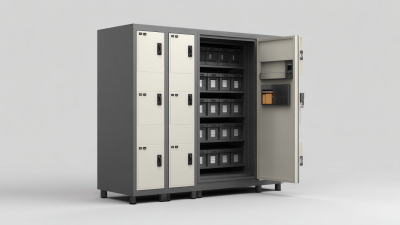
Understanding the Importance of Key Locker Cabinets in Modern Security Solutions
-

Why You Should Choose a Fleet Key Lock Box for Your Business Security Needs
-

What is an Emergency Key Box and How Can It Enhance Your Security
-

Choosing the Best Key Locking Organizer for Your Needs a Comprehensive Comparison Guide
