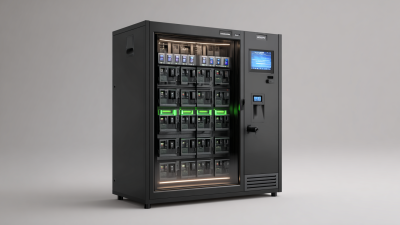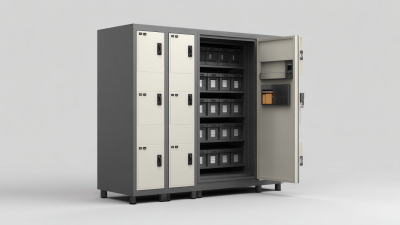
These days, with security and efficiency being more important than ever, a lot of businesses are turning to Electronic Key Cabinets. I came across a report from MarketsandMarkets that estimates the global market for electronic key management solutions will hit around $1.6 billion by 2026. That really shows how more companies are recognizing the need for tighter access control. Not only does an Electronic Key Cabinet boost security, but it also makes operations run smoother—saving everyone time that might otherwise be wasted on managing tons of physical keys.
Now, a common headache many organizations face is losing or misplacing keys, which can be a real pain. According to the Security Industry Association, on average, companies lose about 12% of their keys each year. That’s not just annoying—it can open the door (no pun intended) to security breaches and costly damages. An electronic solution helps a lot here, since it digitally tracks and manages keys, keeping things accountable and controlling who has access.
Of course, I get it—some folks are still a bit hesitant to jump into this kind of tech. Concerns about how much it might cost to install, or the learning curve for staff can hold people back. But honestly, when you weigh the benefits—like better security, less money spent on manpower, and easier access control—they tend to outweigh the initial investment. Moving to an Electronic Key Cabinet isn’t just a tech upgrade; it’s a pretty smart step toward modern, more secure practices.
Electronic key cabinets offer a modern approach to key management. They are secure storage solutions that protect keys effectively. Each cabinet typically employs digital locks and user authentication, providing enhanced security. Users can organize keys in labeled slots, making retrieval easier and more efficient. Unlike traditional key storage, these cabinets reduce the risk of misplacing keys.
While these cabinets seem perfect, they do have challenges. Initial setup may be complex, requiring technical skills. Additionally, staff training is crucial; otherwise, confusion may arise. Some users might struggle with digital interfaces, leading to frustration. These factors remind us that technology requires an adjustment period. Nonetheless, the security benefits often outweigh these hurdles. Keys can be tracked, and access logs provide accountability.
The convenience of remote access is another advantage. Users can manage keys without being on-site. However, it also raises concerns about cybersecurity. Protecting sensitive information is vital in today’s digital world. Overall, electronic key cabinets can transform key management, but only with careful planning and user adaptability.
Electronic key cabinets are a modern solution for managing keys securely. One of their greatest advantages is enhanced security. Traditional key storage methods often lead to unauthorized access and loss. In contrast, electronic cabinets offer robust locking mechanisms, reducing these risks significantly.
Another feature is the access control system. Users can assign specific permissions to individuals. This ensures that only authorized personnel can access certain keys. Some systems even include audit trails, which log every access. This helps in tracking who accessed the keys and when. Notably, it can deter theft and misuse.
However, electronic key cabinets aren’t infallible. They may face technical malfunctions, leading to access delays. Regular maintenance and training staff on proper usage can mitigate this challenge. Despite these flaws, the benefits of improved security and access control make them a worthwhile investment for many organizations.
| Benefit | Description | Importance |
|---|---|---|
| Enhanced Security | Provides advanced locking mechanisms to reduce unauthorized access. | High |
| Access Control | Allows customization of access levels based on user roles. | High |
| Audit Trails | Logs all access attempts for accountability and monitoring. | Medium |
| User Notifications | Sends alerts for unauthorized access or system malfunctions. | High |
| Remote Access | Enables monitoring and control from various locations. | Medium |
| Space Efficiency | Compact designs save physical space compared to traditional cabinets. | Low |
| Key Management | Automated tracking of keys and their users. | High |
| Cost-Effectiveness | Reduces loss and theft, resulting in financial savings. | Medium |
| Environmental Resistant | Designed to withstand various environmental conditions. | Low |
| User-Friendly Interface | Intuitive designs for easy operation by staff. | Medium |
In today's fast-paced world, managing access to keys can be challenging. Electronic key cabinets offer a streamlined solution. These systems enhance security by controlling who accesses keys and when. Each cabinet can track key usage in real time. This feature reduces the risk of lost or misplaced keys.
Transitioning to an electronic system is not without its challenges. Training staff on new processes takes time. Some employees may find the technology intimidating initially. However, the benefits often outweigh these initial hurdles. For example, automated logging of key access can create accountability among users. This additional layer of security helps minimize unauthorized access.
Moreover, with customizable access permissions, organizations can tailor the system to their needs. This adaptability is crucial for different types of facilities. In some situations, this tailored approach may reveal weaknesses in key management practices. Overall, the promise of improved security and efficiency makes electronic key cabinets worth considering. These systems are a step towards a modern, organized approach to access control.
In today's fast-paced environment, operational efficiency is crucial. Electronic key cabinets streamline key management, saving time in multiple ways. According to a report by the National Association of Corporate Security Executives, inefficient key management can lead to productivity losses of up to 30%. An electronic key cabinet eliminates the chaos of misplaced keys.
With instant access to keys, employees can focus on their tasks instead of searching. Real-time tracking shows who has a key and when it's due back. This accountability reduces delays. A study from the Security Industry Association found that organizations using electronic systems reduced key retrieval times by nearly 50%. This improvement directly enhances workflow.
However, the adoption of an electronic key cabinet may present challenges. Some employees resist technology changes. Training is necessary to maximize efficiency. Sufficient initial setup time is essential to prevent early frustrations. Balancing modern solutions with user adaptation is crucial for success.
The integration of electronic key cabinets enhances security through detailed audit trails and monitoring capabilities. Users can track who accessed keys and when. This transparency helps identify patterns and potential misuse. When a key is withdrawn, the system logs the date and time, as well as the user’s identity. Such data is invaluable for accountability.
Monitoring key usage in real time is another significant benefit. Organizations can generate reports on key access, aiding in resource management. However, without proper training, staff may struggle to utilize these systems fully. This can lead to gaps in security. Still, the ability to review access history offers a unique insight, fostering a culture of responsibility.
While electronic cabinets provide an advanced means of managing keys, they aren't infallible. Over-reliance on technology can breed complacency. It’s important to regularly review audit reports and adapt processes accordingly. This proactive approach minimizes risks and promotes a robust security framework. Regular audits should be part of the routine to ensure continued effectiveness.
This chart illustrates the top 10 benefits of using an electronic key cabinet, focusing on key usage audit trails and monitoring capabilities.
Integrating electronic key cabinets with other security systems can enhance security significantly. According to a report by MarketsandMarkets, the security systems market is expected to grow by 11.0% annually. This substantial growth highlights the need for efficient security solutions. Electronic key cabinets seamlessly connect with access control systems, CCTV, and alarms. This integration allows organizations to monitor and manage key access in real time.
Using electronic key cabinets also reduces human error. A data breach can occur due to lost keys or unauthorized access. With an electronic system, alerts and logs provide detailed tracking of who accessed which key and when. Industry reports show that 30% of security breaches come from poor key management. Knowing who is accessing keys enhances accountability and encourages responsible behavior.
**Tip:** Regularly review access logs to identify unusual patterns. This can help in spotting potential issues early.
In addition, integrating with identity verification technologies can add another layer of security. Biometrics and RFID are becoming more common. Nonetheless, the complexity of these systems can lead to troubleshooting challenges. It's essential to train staff adequately to prevent operational hiccups. Continuous improvement in procedures is crucial for optimal security.
**Tip:** Create a feedback loop with users for better system efficiency. Regular training can enhance understanding and usage.
Electronic key cabinets offer significant cost-effectiveness and long-term savings for various organizations. By reducing the risk of lost or misplaced keys, these systems lower replacement costs. Imagine a scenario where a key is lost, resulting in delayed projects. This not only costs money but also affects reputation. An electronic cabinet manages keys effectively, minimizing such risks.
Maintenance expenses can also decrease with electronic cabinets. Traditional key management often demands labor-intensive tracking. However, these advanced systems streamline the process, requiring less manpower. Employees can quickly access keys when needed. This saves time and money over the long haul.
While initial investment may seem substantial, the returns can be substantial. The efficiency gained from using electronic cabinets pays off. Still, organizations should evaluate their specific needs before diving in. Not all systems suit every environment. Understanding this can prevent costly mistakes.
: The guide helps users understand key information about a specific topic. It aims to simplify complicated processes.
Users can browse sections using headings. It makes finding information easier and quicker for most readers.
Readers should analyze the content carefully. Applying advice in practical scenarios enhances understanding and skill.
If you face difficulty, consider reaching out directly. Engaging with communities can also provide additional insights.
Many overlook key details. Ignoring instructions can lead to issues. Double-checking is always wise.
Yes, content may become outdated. Regularly revisiting resources is important for staying informed and adapting strategies.
Take breaks when needed. Breaking content into smaller parts helps with retention and reduces stress.
There's no set timeframe. Everyone learns differently. Focus on thorough understanding rather than rushing through.
Immediate results are rare. Consistent effort is essential. Reflecting on progress helps in adapting your approach.
Try interactive methods like discussions or practice. Collaboration can make learning enjoyable while enhancing comprehension.
The article "Top 10 Benefits of Using an Electronic Key Cabinet" provides a comprehensive overview of the advantages these innovative storage solutions offer. Electronic Key Cabinets are designed to enhance security through advanced locking mechanisms and user authentication features. This not only protects keys from unauthorized access but also streamlines access control, offering users a more efficient way to manage key distribution and retrieval.
Moreover, the time-saving benefits associated with Electronic Key Cabinets contribute significantly to operational efficiency. With features like audit trails and monitoring capabilities, organizations can easily track key usage and maintain accountability. The integration of these cabinets with other security systems further enhances overall security infrastructure, while the cost-effectiveness and long-term value they deliver make them a smart investment for businesses seeking to optimize their key management processes.