0%

Choosing a key tracking system isn’t just about keeping keys locked away in a cabinet. It’s really about knowing who took each key, when they took it, and whether it’s been returned. In a busy hotel, for example, a maintenance worker might need a master key right at the start of their shift. Or in a factory, losing track of a vehicle key could ground an entire team — that’s why having clear, reliable records really matters.

Michael Chen, a key-management expert, sums it up pretty well: “A tracking system earns trust when every handoff leaves a clear, reviewable record.” Of course, that’s more of a guiding principle than a guarantee—any product should also be independently tested and verified. When deciding, it’s smart to compare things like access controls, audit logs, how much the cabinet can hold, how well it integrates with other software, and what kind of support’s available. Sure, a sleek touchscreen is nice, but what really counts are solid identification methods and getting alerts when something’s off.

In this overview, I’ve looked at ten key tracking system manufacturers based in China, highlighting what sets their products apart. Keep in mind, capabilities can vary depending on the model and how it’s set up. It’s always a good idea to double-check specs directly with each manufacturer. Consider this list as a starting point—your perfect choice will depend on what kind of keys you’re managing, your daily routines, and who’ll be handling returns. Sometimes, a small detail like placing the cabinet near a busy entrance makes all the difference—so think about your environment carefully.

Top 10 Key Tracking System Manufacturers in China?

What Is a Key Tracking System and How Does It Work?

A key tracking system records who takes a key, when it leaves storage, and when it returns. In a typical electronic setup, keys attach to uniquely identified fobs and sit inside a locked cabinet. A user enters a PIN, scans a badge, or confirms identity through another approved method. The system checks permissions, releases the assigned key, and stores a timestamped event. If a key is overdue, staff can receive an alert and check the activity log. Simple in principle. The cabinet still depends on correct user records, working power, and clear procedures.

This process is useful in facilities where many people share vehicle, equipment, or room keys. Managers can review access histories rather than rely on handwritten sign-out sheets, though a log cannot prove why someone took a key. The access-control market offers useful context: MarketsandMarkets estimated its global value at US$10.4 billion in 2023, with a projected rise to US$15.2 billion by 2028. That forecast describes a broader market, not key tracking alone. When comparing systems, check audit-log detail, offline behavior, alert settings, and how quickly administrators can revoke access. A neat dashboard is not enough. Test the workflow during a shift change; real users may forget to return a key, or select the wrong one.

How Are Key Tracking System Manufacturers Evaluated?

How Are Key Tracking System Manufacturers Evaluated?

Evaluating key tracking system manufacturers starts with the daily workflow, not a product brochure. Can staff find a specific key quickly during a busy shift? A useful system records who checked out each key, when it moved, and whether it was returned. Ask to see a live demonstration using realistic user roles and several simultaneous transactions. Click through the audit trail. Check whether timestamps, overdue alerts, and access permissions are clear to ordinary staff, not only administrators.

Hardware matters too. Inspect cabinet construction, locking points, labels, and the feel of the key tags. A crowded cabinet can make retrieval awkward. Test what happens during a network interruption, and ask how records are restored afterward. Manufacturers should explain integration options, user training, warranty coverage, and the availability of replacement parts. Specific answers beat broad promises. Request references from organizations with similar key volumes and operating hours, then ask what required adjustment after installation.

Price is only one measure. Compare total ownership costs, including setup, software, maintenance, and future expansion. A polished interface can still hide a clumsy workflow. That is easy to miss in a short sales demo. Evaluation should include a small pilot, with staff timing real check-in and check-out tasks. Record errors and confusing steps. Not every supplier will offer a perfect fit; honest discussion of limitations is a stronger signal than claims that every feature suits every site.

China’s Key Tracking System Market and Manufacturing Landscape

China’s key tracking system market sits at the meeting point of access control, asset management, and connected hardware. Manufacturers commonly combine numbered key cabinets, electronic locks, user authentication, and software logs. The production landscape benefits from China’s broad electronics and automation supply chain, but public data rarely isolates key tracking systems as a separate market category.

That matters. General automation figures should not be mistaken for sales estimates for key cabinets.

The International Federation of Robotics’ World Robotics 2024 report recorded 276,288 industrial robots installed in China in 2023, about 51% of global installations. This indicates a substantial domestic base for automation components and integration expertise, not a direct measure of key-system output.

For buyers comparing manufacturers, inspect cabinet materials, backup power, audit-log retention, and software compatibility. Ask for test records, not just a feature list. A cabinet beside a busy maintenance desk faces very different wear than one in a quiet office.

Tips:

Match cabinet capacity to actual key turnover, and test access during a network outage. Request a sample audit report before ordering. Small details matter. Supplier claims can be incomplete, and published category data remains limited; verify specifications and after-sales support directly.

Ten Notable Key Tracking System Manufacturers in China

China’s key tracking system manufacturers serve offices, factories, hotels, and vehicle fleets. Their products range from numbered key cabinets to electronic systems with user records and access alerts. A practical system should make keys easy to locate without adding a complicated daily routine. Staff may need to identify a missing cabinet slot at a glance. Clear labels matter.

Ten notable manufacturers in this field are best compared by their engineering and service capabilities, not by catalogue size alone. Buyers can examine cabinet capacity, audit-log detail, credential options, and integration requirements. A small workshop may need a sturdy cabinet and simple sign-out records. A large site may require role-based access and reports showing who collected each key, and when. Details count.

Manufacturers differ in enclosure materials, software configuration, production scale, and support for custom layouts. Ask for sample records and test how the system handles a forgotten return. Check that installation guidance is specific to the site. A polished demonstration is useful, but it cannot answer every operational question. Some needs become clear only after weeks of use. That deserves honest attention. Before choosing among ten suppliers, compare service response times and verify that the proposed system fits the organization’s actual key-control process.

Key Products and Technologies Offered by These Manufacturers

Chinese manufacturers of solar tracking systems typically offer single-axis trackers, drive units, control cabinets, sensors, and monitoring software. Some also supply pile foundations and installation guidance. The key technologies are backtracking algorithms, wind-stow controls, and row-level positioning. These features help reduce shading, protect structures during strong winds, and keep panels aligned as the sun moves. IRENA reported that global solar capacity reached about 1,419 GW in 2023, underscoring the scale of the market these systems serve. Yet a larger market does not make every tracker suitable for every site.

Product specifications deserve close attention. Ask for tested wind-load limits, corrosion protection, motor torque, and communication options. NREL’s PVWatts model accounts for tracking configuration when estimating energy output, but actual gains still depend on location, terrain, weather, and system design. A useful supplier should provide project-specific yield assumptions, not only a headline efficiency figure. Dusty soil and uneven rows can complicate installation. They are easy to overlook.

Tips: Request a sample layout showing tracker spacing, foundation depth, and maintenance access. Compare warranty terms and spare-part availability, too. One detail may be missing: confirm how the controller behaves when sensor data fails.

Industries and Applications for Key Tracking Systems in China

In China, key tracking systems serve factories, hospitals, hotels, vehicle fleets, and public facilities. They help staff locate shared keys and record who takes or returns them. In a manufacturing plant, a labeled cabinet can hold maintenance keys near a shift office. A supervisor can check the access log when a machine room key is missing. Small details matter.

Hospitals use controlled key storage for medication rooms, equipment areas, and service entrances. Hotels may track master keys through housekeeping shifts, while property teams use the records to manage keys for residential buildings. Transport and logistics operators can track vehicle keys at busy depots, where multiple drivers share a pool. Quick checks help.

The best setup depends on daily routines, not just software features. A system should offer clear user permissions, reliable records, and a practical way to handle power or network interruptions. Chinese workplaces also vary in size and layout, so one cabinet design rarely fits every site. That is easy to overlook. Staff training matters too; even a capable system can fail when return steps feel confusing or slow. Teams should review usage records regularly and adjust procedures when patterns reveal bottlenecks.

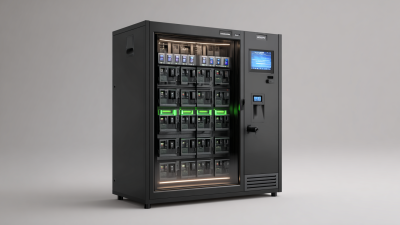
How the Landwell i-keybox Electronic Key Tracking System Improves Key Accountability

An electronic key tracking system improves accountability by creating a clear record of who accesses each key and when. Instead of relying on handwritten sign-out sheets or memory, staff can use a secure user terminal to request and return keys. Each transaction is recorded, making it easier for managers to review key activity, identify delays, and follow up when a key has not been returned as expected. This transparent process encourages responsible handling and helps reduce the chance of keys being misplaced or accessed without authorization.

RFID technology makes key identification simple and reliable. Each key is paired with a unique RFID identifier, allowing the system to recognize it and track its movements. Authorized users can quickly locate the key they need, while access controls help prevent unauthorized users from taking protected keys. Because every checkout and return is linked to a user and recorded by the system, organizations gain a consistent history of key use. This combination of identification, controlled access, and activity tracking helps protect important keys and assets while making day-to-day key management more efficient.

FAQS

What does a key tracking system record?

It records who takes or returns a key and when. Each event receives a timestamp. Simple, but useful.

How do electronic key cabinets control access?

Users enter a PIN, scan a badge, or confirm their identity. The system checks permissions before releasing a key attached to an identified fob.

What happens when a key is overdue?

Staff may receive an alert and review the activity log. The log shows access history, but it cannot explain why someone took the key.

Which workplaces can use key tracking systems?

Factories, hospitals, hotels, vehicle fleets, and public facilities can use them. A cabinet near a maintenance desk may hold shared machine-room keys.

What should buyers check when comparing systems?

Review audit-log detail, backup power, offline behavior, alert settings, and software compatibility. Ask for test records and a sample audit report.

Why should teams test a system during a shift change?

Busy handovers reveal practical problems. A user might choose the wrong key or forget to return it. That happens.

How should cabinet capacity be chosen?

Match it to actual key turnover and daily routines. A quiet office and a busy vehicle depot may need different cabinet layouts.

How can a system cope with network or power interruptions?

Check its backup power and offline procedures before ordering. The article recommends testing access during a network outage, since specifications alone may not tell the whole story.

Does automation growth in China show key-system sales?

No. Reported industrial robot installations indicate a broad automation base, not direct production or sales figures for key tracking systems.

What helps prevent problems after installation?

Train staff on clear return steps, review usage records, and adjust procedures when bottlenecks appear. Even good software can feel slow or confusing.

Conclusion

This article explores how a Key Tracking system helps organizations manage, locate, and monitor keys through tools such as electronic cabinets, access controls, user identification, and activity records. It explains how these systems work and outlines the practical criteria for evaluating manufacturers, including product reliability, security features, customization, technical support, and suitability for different operational needs.

The article also surveys China’s manufacturing landscape and introduces ten notable manufacturers without focusing on brand promotion. It reviews common products and technologies, from connected key cabinets to software-based monitoring and reporting, and considers their use in sectors such as property management, hospitality, transportation, healthcare, and industrial operations. Together, these topics offer readers a framework for understanding available solutions and comparing them according to their organization’s key-management requirements.

Oliver

Oliver

Oliver is a dedicated professional at Landwell, specializing in marketing innovative key management solutions. With a deep understanding of the intricacies involved in key usage across diverse environments, he is committed to providing clients with simple yet effective strategies for complete......
Previous Top 10 Best Key Storage Boxes for Secure Access