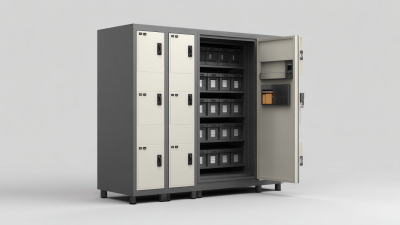
In 2023, the landscape of access control is experiencing a significant transformation, driven by the increasing demand for enhanced security measures across various sectors. One of the most notable trends is the rise of the Fingerprint Key Cabinet, which is rapidly becoming a critical component in modern security infrastructures. According to a recent market research report by MarketsandMarkets, the global smart lock market is anticipated to reach $8.6 billion by 2025, growing at a CAGR of 15.5%. This growth is indicative of a broader shift towards advanced, biometric-based security solutions, which provide not only convenience but also a higher level of safety.

The integration of fingerprint technology within key cabinets allows organizations to safeguard sensitive assets while providing authorized personnel with quick and reliable access. This approach is particularly beneficial in industries where compliance and accountability are paramount, such as healthcare and finance. A report from Allied Market Research reveals that the biometric system market size is projected to reach $62.73 billion by 2025, underscoring the increasing reliance on fingerprint recognition systems as a robust solution for access control. As companies strive to protect their assets against unauthorized access, the Fingerprint Key Cabinet stands out as an innovative answer to the evolving security challenges of today’s environment.
The Evolution of Access Control: A Focus on Fingerprint Technology
In recent years, access control systems have evolved significantly, with fingerprint technology leading the charge. Traditional key-based systems are increasingly being replaced by biometric solutions that offer enhanced security and convenience.
The rise of fingerprint key cabinets exemplifies this trend, allowing users to secure sensitive items with their unique biometric data. These systems not only provide a higher level of protection against unauthorized access but also streamline the process of gaining entry, making them an ideal choice for both residential and commercial applications.
When considering the implementation of fingerprint technology, here are a few tips to keep in mind:
-
First, ensure that the fingerprint scanner you choose has a high accuracy rate to minimize false rejections.
-
Second, prioritize systems that offer dual authentication options, combining fingerprint scanning with a PIN or key for added security.
-
Finally, conduct regular maintenance and updates on your access control systems to protect against vulnerabilities and ensure optimal performance.
As the demand for secure access solutions continues to grow, the shift towards biometric technology will likely intensify. Fingerprint key cabinets not only enhance security measures but also reflect a broader technological evolution that prioritizes user convenience and data protection in our increasingly digital world.
Benefits of Fingerprint Key Cabinets in Modern Security Systems
In the evolving landscape of security systems, fingerprint key cabinets are emerging as a pivotal solution for enhanced access control. According to a recent report by MarketsandMarkets, the global biometrics market is projected to grow from USD 24.5 billion in 2022 to USD 67.6 billion by 2027, highlighting an increasing reliance on biometric systems for security. Fingerprint key cabinets, which use unique fingerprint recognition technology, offer robust access control that significantly reduces the risk of unauthorized entries. These cabinets not only deter theft but also streamline access for authorized users, fostering a secure and efficient environment.
Moreover, the implementation of fingerprint key cabinets comes with numerous benefits that align with modern security needs. A study conducted by the Security Industry Association (SIA) found that organizations employing biometric access solutions saw a 60% reduction in unauthorized access incidents. This is largely attributed to the inherent security features of fingerprint recognition, which is much harder to bypass compared to traditional lock-and-key systems. Additionally, these cabinets facilitate real-time monitoring and management of access logs, offering organizations greater visibility into who accessed what and when—crucial data for enhancing overall security protocols. As businesses prioritize safety and efficiency, the adoption of fingerprint key cabinets is set to become a standard practice in security strategies worldwide.

Comparative Analysis: Fingerprint Cabinets vs. Traditional Lock Systems
As organizations increasingly prioritize security, a notable trend in 2023 is the shift from traditional lock systems to advanced fingerprint key cabinets. A recent market analysis by Grand View Research forecasts the biometric access control market to reach USD 56.9 billion by 2025, reflecting a compounded annual growth rate of 23.2%. This surge is largely attributed to the enhanced security and convenience that fingerprint technology offers over conventional locks, which can be susceptible to picking and unauthorized duplication.
Fingerprint cabinets provide a unique blend of user authentication and access control, minimizing the risk of unauthorized access. Unlike traditional locks that require physical keys—vulnerable to loss or theft—fingerprint cabinets use biometric verification, offering a higher level of security. According to a report by IDC, 70% of businesses anticipate needing to implement biometric systems by 2024 for improved security measures. This predictive shift emphasizes the growing recognition of fingerprint systems in safeguarding sensitive areas.
Tip: When transitioning from traditional locks to fingerprint cabinets, ensure that you choose models with robust data encryption to protect users' fingerprint information.
Tip: Regularly update the biometric database to remove access for former employees or unauthorized individuals, ensuring that your access control system remains secure and effective.
Key Industries Adopting Fingerprint Key Cabinets in 2023
As we delve into 2023, the adoption of fingerprint key cabinets is prominently emerging across various key industries, revolutionizing access control measures. Organizations are recognizing the importance of secure key management systems that utilize biometric technology to enhance safety. Fingerprint key cabinets not only streamline access for employees by allowing entry through fingerprints but also significantly reduce the risks associated with lost or misplaced keys, thereby bolstering security protocols.
In sectors such as healthcare, education, and transportation, the demand for fingerprint key cabinets is gaining momentum. With the growth of digital transformation, industries are compelled to integrate advanced security solutions that can effectively manage access while maintaining operational efficiency. This trend aligns with the increasing investment in biometric systems, which provide both security and accountability by allowing real-time audit trails of who accessed what, when, and why.
**Tips:** When considering the implementation of fingerprint key cabinets, it's essential to assess the specific needs of your organization. Evaluate the volume of key management and the level of security required to ensure that the selected system meets your operational demands. Furthermore, educating personnel on the proper use of these systems can enhance their effectiveness and promote a culture of security within the workplace.
Challenges and Solutions in Implementing Fingerprint Access Control
The implementation of fingerprint access control in key cabinets presents a range of challenges that must be addressed to ensure successful deployment. One primary challenge is the integration of biometric systems with existing security frameworks. Organizations often use a mix of traditional locks and electronic systems, and merging these with new fingerprint technology can lead to compatibility issues or increased complexity. To overcome this, organizations should conduct thorough assessments of their current systems and seek solutions that offer seamless integration, ensuring that the transition to fingerprint key cabinets enhances rather than disrupts existing security measures.
Another significant challenge is user resistance or hesitation to adopt biometric technology. Many individuals may feel uncomfortable with the idea of their fingerprints being stored and used for access, raising concerns about privacy and data protection. To address this, education and clear communication are vital. Organizations should implement training programs that inform users about the technology's benefits, including improved security and ease of use. Additionally, providing transparency about data handling and security measures can help build trust and encourage acceptance among users, ultimately leading to a successful implementation of fingerprint access control in key cabinets.
Unlocking Security Trends in 2023: The Rise of Fingerprint Key Cabinets for Enhanced Access Control
| Feature |
Importance |
Challenges |
Solutions |
| Biometric Authentication |
High security and user convenience |
Potential for false rejection |
Regular updates and software improvements |
| User Enrollment |
Ease of onboarding new users |
Time-consuming setup |
Streamlined enrollment processes |
| Data Security |
Protection of biometric data |
Risk of data breaches |
Encrypted storage solutions |
| Integration with Existing Systems |
Seamless user experience |
Compatibility issues |
Custom API development |
| Cost Effectiveness |
Budget-friendly access control |
Initial investment cost |
Long-term savings through reduced theft |
Future Innovations in Fingerprint Technology for Enhanced Security Solutions
The rise of fingerprint technology marks a significant shift in access control solutions, offering unparalleled security for various applications. According to the latest studies, the global biometric market is projected to reach USD 59.31 billion by 2025, with fingerprint recognition being one of the most widely adopted technologies. This growth is driven by an increased demand for secure identification solutions in sectors ranging from banking to aviation, where innovative applications of biometrics are transforming operational practices.
Recent advancements in fingerprint technology are paving the way for groundbreaking innovations in security, particularly in access control systems like fingerprint key cabinets. These cabinets not only ensure authorized access but also feature real-time tracking and logging capabilities, enhancing accountability in sensitive environments. A report from the Cyber Security and Infrastructure Security Agency indicates that biometric systems are set to revolutionize security measures, providing frictionless yet formidable barriers against unauthorized access. As organizations increasingly adopt biometric authentication, the integration of such technologies is becoming essential in the fight against evolving security threats.

FAQS
: Fingerprint key cabinets use unique fingerprint recognition technology to provide robust access control, significantly reducing the risk of unauthorized entries and fostering a secure environment.
Biometric solutions enhance security and convenience, offering higher protection against unauthorized access compared to traditional key-based systems, which is leading to their increased adoption.
When implementing fingerprint technology, choose a scanner with a high accuracy rate, opt for systems with dual authentication options (like a PIN along with fingerprint scanning), and conduct regular maintenance and updates to ensure optimal performance.
Organizations using biometric access solutions, like fingerprint key cabinets, have seen up to a 60% reduction in unauthorized access incidents due to the advanced security features of fingerprint recognition.
Fingerprint key cabinets facilitate real-time monitoring and management of access logs, providing organizations greater visibility into who accessed what and when, which is crucial for enhancing overall security protocols.
The global biometrics market is projected to grow from USD 24.5 billion in 2022 to USD 67.6 billion by 2027, highlighting the increasing reliance on biometric systems for security.
The demand for fingerprint technology is driven by various sectors, including banking and aviation, which seek secure identification solutions to transform operational practices.
Fingerprint technology in access control systems like fingerprint key cabinets features real-time tracking and logging capabilities, enhancing accountability in sensitive environments by allowing organizations to monitor access effectively.
Future innovations in fingerprint technology are expected to provide enhanced security solutions, including frictionless barriers against unauthorized access and improvements in biometric authentication systems.
Organizations should prioritize fingerprint key cabinets as they offer significant security benefits, enhance access control, reduce unauthorized access incidents, and align with modern security needs for safe and efficient operations.
Conclusion
In 2023, the landscape of access control is witnessing a transformative shift with the rise of Fingerprint Key Cabinets, a technology that significantly enhances security measures. This innovation underscores the evolution of access control systems, as fingerprint technology offers a higher level of authentication compared to traditional lock systems. The benefits of Fingerprint Key Cabinets include streamlined key management, improved security, and ease of use in various environments, aligning perfectly with the goals of companies like Beijing Landwell Electron Technology Co., Ltd., which specializes in flexible key management solutions.
As key industries increasingly adopt Fingerprint Key Cabinets, challenges such as implementation costs and technical integration are being addressed through innovative solutions. The future for fingerprint technology in security shows great promise, with ongoing advancements that aim to provide even more robust and reliable access control systems. By integrating fingerprint technology, organizations can achieve a more secure environment while maintaining complete control and oversight of key usage.