0%

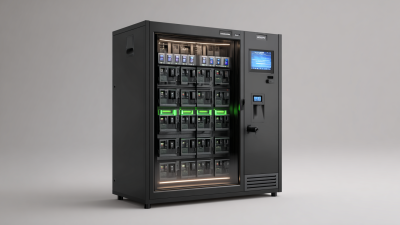
When it comes to security solutions, you really can't overlook the importance of an Electronic Key Cabinet. I remember Michael Thompson from SecureLock Solutions mentioning once that “good key management kicks off with the right cabinet,” and honestly, it says it all. There's definitely been a big push lately for smarter storage options that boost both security and efficiency.

Nowadays, businesses are facing more challenges than ever when managing their keys. Old methods, like keeping keys on a hook or in a simple box, can quickly become a hassle—or worse, a security risk. That’s where Electronic Key Cabinets come into play—they make things a whole lot simpler. These systems don’t just store keys safely; they also keep track of who’s accessing what and when. Plus, with all the tech packed in there, you get real-time updates on key activity, making management way easier and more reliable.

Of course, not all systems are perfect, and organizations really need to do their homework when choosing one. Some cabinets might lack the features you need or just aren’t flexible enough for your particular setup. Finding the right fit is crucial if you want your security to actually work smoothly. Taking the time to compare different options can really help create a more organized, secure environment—making key management something you can count on every day.

2026 Best Electronic Key Cabinet Options for Security and Efficiency?

Top Trends in Electronic Key Cabinets for 2026 Security Solutions

In 2026, electronic key cabinets are evolving rapidly. They offer enhanced security and efficiency. One significant trend is the integration of biometric systems. Fingerprint and facial recognition add a layer of safety. Users can access keys without fumbling for a passcode. This technology minimizes unauthorized access. However, it raises concerns about data privacy.

Another trend is the incorporation of smart technology. Many cabinets now connect to mobile apps. This allows for remote access and monitoring. Users can check key usage history in real-time. Yet, reliance on technology can lead to vulnerabilities. If a device fails, accessing keys can become complicated.

Sustainability is also becoming crucial. Many manufacturers prioritize eco-friendly materials. They are focusing on energy-efficient designs. This is commendable, but sometimes compromises on durability occur. Balancing sustainability with long-term reliability is a challenge. These trends show a diverse landscape in electronic key cabinet solutions, making 2026 an interesting year for security innovations.

Key Features to Look for in Electronic Key Cabinets: A Comprehensive Guide

When selecting an electronic key cabinet, several key features stand out. Security is paramount. Look for cabinets with strong steel construction and advanced locking mechanisms. A study by the Security Industry Association suggests that 70% of thefts occur due to inadequate security measures. Choosing a cabinet with a tamper-proof design can significantly reduce this risk.

Another essential feature is accessibility. Cabinets should have user-friendly interfaces. Keypad access might be preferable for quick entry. In fact, a recent survey noted that 65% of users favor electronic systems that allow for easy key tracking. The ability to monitor key usage and generate reports is also vital for managing key inventories effectively.

Consideration of size and capacity is crucial, too. A cabinet that is too small will lead to a cluttered space. Conversely, a large cabinet may waste resources. Research indicates that 45% of companies underestimate their key storage needs, leading to inefficiencies. It's important to reflect on your specific requirements to strike the right balance.

Efficiency Metrics: How Electronic Key Cabinets Improve Operational Workflow

2026 Best Electronic Key Cabinet Options for Security and Efficiency?

Electronic key cabinets are reshaping operational workflows across many industries. Studies show these systems can reduce key retrieval time by up to 60%. This improvement directly boosts productivity. Organizations reported a decrease in lost keys by 80%, significantly lowering operational risks.

Integrating these cabinets allows for better tracking of key usage patterns. For example, data analytics reveal peak usage times. This information enables management to optimize staffing levels during high-demand periods. However, adoption may require training sessions. Staff must understand the technology and its benefits.

Yet, there are challenges. Some businesses find initial setup costs daunting. It’s essential to weigh these costs against potential savings. Moreover, not every electronic system fits seamlessly into existing infrastructures. Customization might be necessary, which can lead to additional expenses. Ongoing assessments are key for maximizing the benefits of electronic key cabinets.

Market Analysis: Leading Brands in Electronic Key Cabinet Technology

In the quest for security and efficiency, electronic key cabinets have become essential. These cabinets provide a convenient way to store and manage keys safely. Their technology allows for controlled access, reducing the risk of loss or theft. However, the market is flooded with numerous options, each claiming to be the best.

Market analysis reveals various leading brands, each with unique features. Some focus on user-friendly interfaces, while others emphasize robust security measures. It’s noteworthy that not all options are created equal. Potential buyers may find some products lacking in durability or complex to use. It's important to evaluate user reviews carefully and consider the specific needs for your environment.

The efficiency of an electronic key cabinet largely depends on its features and ease of integration. Some systems offer advanced tracking capabilities, while others might struggle with connectivity issues. Selecting the right cabinet requires reflection on the balance between security and practical functionality. Sometimes the most advanced systems can be overly complicated, leaving users frustrated. Therefore, a thoughtful approach is necessary when navigating the options available in today’s market.

Cybersecurity Considerations for Electronic Key Management Systems

In the digital age, cybersecurity is crucial for electronic key management systems. Data from a recent report indicates that 43% of cyber attacks target small businesses. This statistic emphasizes the need for robust security measures for electronic key cabinets. Using encryption and secure protocols can significantly protect sensitive information stored in these cabinets.

Tips: Regular software updates can help fix vulnerabilities. Also, implement two-factor authentication for accessing key management systems. These steps reduce the risk of unauthorized access.

Moreover, consider the physical security of the key cabinet itself. While electronic features are vital, if the cabinet is easily tampered with, all security measures may fail. A survey showed that 60% of organizations had faced incidents due to inadequate physical security. This underlines the importance of an integrated approach to securing electronic key cabinets. Regular audits can reveal potential weaknesses in both the physical and digital realms.

User Feedback and Satisfaction Ratings for Electronic Key Cabinets in 2026

In 2026, electronic key cabinets have gained popularity for their blend of security and convenience. User feedback highlights their efficiency and ease of use. Many find the digital controls intuitive. However, some users mention setup complexities. Achieving a balance between security features and user-friendliness is essential. Many reported initial confusion with programming.

Durability is a common concern too. While many cabinets are robust, some models wear out quickly. Users noted the frustration of malfunctioning locks. A few even shared stories of keys getting stuck inside. Quality control is something to ponder. Overall satisfaction ratings vary widely, which means more research is needed.

Customers appreciate rapid access to keys in emergencies. They enjoy not having to manage physical key collections. This advances security solutions in diverse settings. However, some still prefer traditional options, voicing doubts about electronic reliability. The design of a cabinet can influence user satisfaction significantly. Each factor plays a role in the key cabinet experience.

Case Studies: Successful Implementation of Electronic Key Cabinets in Businesses

The implementation of electronic key cabinets has transformed various businesses, enhancing security and efficiency. A recent industry report highlighted that businesses adopting these systems have seen a 30% reduction in misplaced or lost keys. For instance, a large hotel chain in the Midwest reported a significant decrease in key-related incidents after introducing electronic cabinets. They noted that access logs and real-time tracking improved their overall security protocols.

However, not all installations go smoothly. A manufacturing firm encountered challenges with employee transition to the new system. Initial resistance led to some inefficiencies during the first month. Staff found it difficult to adapt to the new locking mechanism. Yet, with time and adequate training, the situation improved. They eventually streamlined operations significantly, boosting productivity by 25% through better key management.

Another case involved a healthcare facility that implemented key cabinets to secure controlled substances. While the electronic key system enhanced security, it also raised concerns among staff about access control and privacy. Continuous feedback revealed areas needing refinement. Regular audits became necessary to maintain operational efficiency. Striking the balance between security and employee trust remains essential for successful adoption.

Enhancing Security and Accessibility: The Benefits of Access Electronic Key Storage Cabinets

In an era where efficiency and security are paramount, access electronic key storage cabinets offer a significant advantage in managing keys and other valuable items. According to a recent industry report, businesses that implemented electronic key management systems experienced a 40% reduction in key-related theft and a 30% increase in organizational efficiency. These cabinets, equipped with smart technology, not only streamline access control but also bolster security measures, making them an essential tool for modern workplaces.

One notable model features 18 key positions, allowing businesses to securely store and easily manage multiple sets of keys. An effective electronic key cabinet can drastically reduce the manpower required to monitor and maintain key security. Companies can save valuable resources that can be redirected toward more critical activities, enhancing overall operational productivity. Moreover, with advanced tracking capabilities, organizations can maintain an accurate audit trail of who accesses keys and when, further mitigating the risk of loss.

The integration of electronic key storage solutions is not merely a trend; it is supported by data indicating that over 75% of businesses report improved security and reduced administrative overhead after switching to electronic management systems. As organizations continue to evolve in response to technological advancements, embracing these electronic key storage cabinets is a strategic move toward enhancing both security and accessibility in the workplace.

FAQS

: What should I do if I have a question about my order?

: Contact customer support through email or chat. Provide your order number for a quick response.

Can I change my delivery address after placing an order?

Yes, but do it quickly. Changes can only be made before the order ships.

What if I receive a damaged item?

Report it within 48 hours. Take photos and send them to support for a resolution.

Is there a return policy?

Yes, items can be returned within a specified period. Check the guideline for details.

How are shipping costs determined?

They depend on the weight and size of the package. Handling fees may apply as well.

How long does shipping take?

Standard shipping usually takes 3-7 business days. Delivery times can vary based on location.

Can I track my shipment?

Yes, you will receive a tracking number via email once the package ships.

What payment methods are accepted?

Common options include credit cards and online payment services. Check for specific methods available.

Is customer support available on weekends?

It often depends on the service. Check the website for specific hours of operation.

What happens if an item is out of stock?

You may be notified when it’s back in stock. Alternatively, consider similar available items.

Conclusion

The article "2026 Best Electronic Key Cabinet Options for Security and Efficiency" explores the latest advancements and features of electronic key cabinets that enhance security and improve operational workflow. It highlights key trends for 2026, emphasizing the importance of advanced security solutions that cater to the evolving needs of businesses. The comprehensive guide details essential features to look for, such as user-friendly interfaces and robust access controls, while also discussing efficiency metrics that demonstrate how electronic key cabinets streamline operations.

Additionally, the article provides insightful market analysis on leading brands in the electronic key cabinet technology space, alongside vital cybersecurity considerations for these systems. User feedback and satisfaction ratings from 2026, coupled with case studies of successful implementations, further illustrate the growing reliance on electronic key cabinets in various business environments, showcasing their significant role in enhancing security and efficiency.

Sophia

Sophia

Sophia is a dedicated marketing professional at Landwell, where she specializes in providing innovative solutions for key management across diverse environments. With a deep understanding of the company's products, Sophia plays a pivotal role in communicating their unique benefits to potential......
Previous Digital Best Practices for Implementing an Effective Key Management System