0%

Managing vehicle keys across a busy depot? Yeah, it can get surprisingly tricky. Keys bounce between drivers, technicians, supervisors, and parked vehicles. And if a set goes missing, it can hold up inspections, service appointments, or even the morning dispatch. A Fleet Key Tracking Box gives you a controlled spot to store, identify, and keep an eye on those keys.

Most systems rely on electronic tags, barcode labels, RFID technology, or user PINs. Each key gets assigned to a specific vehicle, trailer, or piece of equipment. An authorized employee picks a key compartment and records the transaction. From there, the system can capture who took it, when, where, and whether it was returned. Some models even send alerts when keys stay checked out too long. That small screen? It matters more than it looks.

The real payoff shows up during a busy shift. A fleet manager can pull up an activity log instead of digging through desks or chasing down every driver. A technician can return a key to the right slot after a repair. The cabinet might connect with fleet management software, access controls, or employee ID systems. But let's be honest: the box doesn't solve every problem. Labels can get damaged, users can share credentials, and network failures can interrupt reporting. Human habits still affect accuracy. That's where procedures, training, and regular audits become essential. A reliable setup should match the fleet's size, vehicle turnover, security needs, and working environment. It should also give clear records without making daily access a pain. The technology is useful, sure—but thoughtful implementation is what makes it dependable.

What Is a Fleet Key Tracking Box and How Does It Work?

Definition and Purpose of a Fleet Key Tracking Box

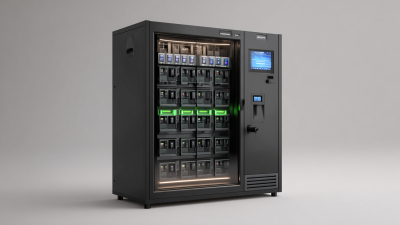
A fleet key tracking box is a secure cabinet that records who takes, returns, or reserves each vehicle key. It connects physical key control with a digital activity log. Depending on the system, drivers may use a PIN, access card, fingerprint, or assigned identification tag. Each key slot can show whether a vehicle is available, checked out, overdue, or stored incorrectly.

Its purpose is simple: reduce uncertainty around vehicle access. A supervisor can see that a van key left the cabinet at 6:42 a.m., linked to a specific driver and job. Alerts may appear when a key remains outside too long. This supports dispatching, maintenance planning, and internal accountability. The American Transportation Research Institute reported an average trucking operating cost of about $2.27 per mile in its 2023 Operational Costs of Trucking report. Preventing avoidable delays matters when every unused vehicle still creates expense.

The box is not magic. A weak check-in routine can still create bad records. Shared credentials also damage accountability. In practice, managers should audit access logs, update driver permissions, and inspect damaged key tags. NIST guidance on audit events recommends recording the user, time, and event outcome, which fits this workflow well. A useful system should also work during network interruptions. Otherwise, the neat digital record may hide a messy physical process.

Core Components and Identification Methods

What Is a Fleet Key Tracking Box and How Does It Work?

Core Components and Identification Methods

A fleet key tracking box combines secure storage with digital accountability. Its steel or reinforced enclosure protects keys during shift changes, while an electronic lock controls access. Inside, numbered slots, RFID readers, barcode scanners, or contact sensors identify each key. A controller records the user, time, and removal event. Some systems also include tamper alerts, backup power, and network connectivity.

Identification usually depends on two linked records: the vehicle and the authorized employee. A key may carry an RFID tag, QR code, barcode, or engraved asset number. Users can verify identity with a PIN, access card, mobile credential, or biometric check. RFID is quick for busy depots, but metal interference can reduce reading accuracy. Barcodes cost less, although damaged labels create avoidable delays. The choice should match fleet size, lighting, maintenance habits, and connectivity.

The 2024 Verizon Data Breach Investigations Report examined 30,458 incidents and found human involvement in 68% of breaches. That statistic concerns cybersecurity, not physical keys, yet it reinforces one lesson: accountability depends on clear records and controlled permissions. Fleet managers should review audit logs weekly and compare them with dispatch records. Small gaps matter.

Tips: Test every identification method during rain, gloves, low light, and network outages. Keep an emergency procedure, but record every manual release. No system is perfect. Overlooking shared credentials can quietly weaken an otherwise strong process.

How Keys Are Stored, Issued, and Returned

A fleet key tracking box is a secure cabinet that records every key movement. Each vehicle key sits in a numbered slot, often linked to a barcode, RFID tag, or digital identifier. The cabinet shows whether the key is available, issued, overdue, or missing. Clear status matters.

A driver usually authenticates with a PIN, access card, or biometric check. The system then records the user, vehicle, time, and reason for removal. Before a morning route, a supervisor can see which keys remain inside. During return, the driver places the key into its assigned slot. The box confirms the return and updates the vehicle’s status. If the key enters the wrong slot, many systems trigger an alert.

This process supports accountability, not just convenience. The 2024 Data Breach Investigations Report found that human involvement appeared in 68% of reported breaches. Shared keys create a similar control weakness when records depend on memory or paper logs. NIST digital identity guidance also emphasizes authenticated access and traceable events. A fleet manager should review exception reports daily, especially keys returned late or by unusual users. No system is perfect. A damaged tag, flat scanner, or rushed employee can still create a blind spot. Physical checks remain necessary. Door access logs may prove who opened the cabinet, but they cannot always prove the correct key was returned.

What Is a Fleet Key Tracking Box and How Does It Work?

Key storage, issue, and return activity shown across a 100-event operational example.

A fleet key tracking box stores each vehicle key in a controlled slot and records who removes or returns it. In this example, 94 of 100 scheduled key movements were issued, 89 were returned on time, and 5 remained overdue for follow-up.

Step-by-Step Tracking and Access Process

What Is a Fleet Key Tracking Box and How Does It Work?

Step-by-Step Tracking and Access Process

A fleet key tracking box is a secured cabinet for organizing vehicle keys. It records who removes each key, when access occurs, and when the key returns. Inside, each key usually carries a barcode, RFID tag, or electronic identifier. The cabinet connects these details with an access record.

The process starts when an administrator registers each vehicle and assigns its key to a labeled slot. An authorized driver enters a PIN, scans an access card, or verifies their identity. The system unlocks only the approved compartment. The driver takes the key, while the software stores the driver’s name, vehicle number, and removal time. Access is controlled.

When the vehicle returns, the driver places the key back into its assigned position. Sensors confirm the return and record the time. If the key remains out too long, the system can send an alert to a fleet supervisor. A manager can then review the activity log from a connected dashboard. Clear records help resolve missing keys and delayed returns.

Accuracy still depends on daily habits. A driver may return a key to the wrong slot, or a sensor may fail after heavy use. Regular cabinet checks, clean labels, and scheduled maintenance improve reliability. Human review remains important, especially during busy shift changes. Small mistakes happen. The audit trail helps reveal where they began.

Security Features and Accountability Controls

A fleet key tracking box is a secured cabinet that stores vehicle keys and records every handover.

Each key usually sits in a numbered slot. Authorized drivers unlock the cabinet with a PIN, card, biometric check, or mobile credential. The system then records the user, key position, vehicle, and timestamp.

Accountability depends on more than locked doors. A strong unit uses individual credentials, tamper sensors, automatic relocking, and alerts for overdue returns. Managers can review an audit trail when a vehicle leaves unexpectedly or a key remains missing.

The FBI Crime Data Explorer recorded 1,020,729 motor-vehicle thefts in the United States during 2023.

That figure does not prove every loss came from poor key control, but it shows why physical access deserves measured attention.

Human error remains a serious weakness.

The 2024 Data Breach Investigations Report found human involvement in 68% of reported breaches, although that research concerns digital security. The same accountability lesson applies here: shared PINs, handwritten logs, and “temporary” exceptions weaken evidence. They also create uncomfortable gaps.

No system is flawless.

A cabinet may log access accurately while supervisors ignore unusual patterns. Practical controls include daily exception reviews, access removal after staff changes, camera coverage near the cabinet, and documented emergency procedures.

Managers should test alerts, inspect damaged slots, and compare electronic records with vehicle mileage. That small check often reveals what software misses.

Common Fleet Applications and Operational Benefits

A fleet key tracking box is a secured cabinet for storing and monitoring vehicle keys. It may use RFID tags, barcode scans, PINs, or electronic access cards. When a driver removes a key, the system records the person, vehicle, and time. It can also show whether the key was returned.

In a field service fleet, technicians can collect assigned keys before early appointments. At a depot, supervisors can control access to pool vehicles and reduce unnecessary key searches. Delivery teams may use the cabinet during shift changes. Emergency response vehicles can remain ready when authorized staff follow a clear check-out process. Small details matter. A visible status screen can prevent a driver from waiting beside an empty hook.

The operational benefits include stronger accountability, faster dispatch, and cleaner maintenance records. Managers can identify repeated late returns or missing keys without relying on memory. Access logs may also support internal reviews and safety procedures. However, the cabinet is not a perfect control. Shared access codes weaken the records, and poor data entry can create false confidence. Power failures, network issues, and unreturned keys still need a manual response plan. Staff should test alerts, inspect key tags, and review permissions regularly. Otherwise, a smart box may become an expensive metal cabinet.

Vehicle Key Tracking Systems: Fleet Security Insights from NICB’s 2024 Motor Vehicle Theft Report

Recent insights from the 2024 motor vehicle theft report emphasize the importance of stronger, more consistent security practices for fleet operators. While physical vehicle protection remains essential, managing access to vehicle keys is equally important. Keys can move between drivers, maintenance teams, parking areas, and administrative offices throughout the day, creating gaps in accountability when their location is not recorded. A vehicle key tracking system helps close these gaps by providing a clear digital record of key checkouts, returns, transfers, and current status.

Designed for fleets and organizational environments, the system uses advanced tracking technology to connect each key with its assigned vehicle and authorized user. Managers can set permission levels, review activity histories, receive alerts for overdue returns, and quickly identify missing or misplaced keys. This creates a more controlled process for daily operations while reducing delays caused by manual sign-out sheets or unclear responsibility.

By integrating key tracking into routine fleet procedures, organizations can improve visibility, support timely response to security concerns, and encourage responsible handling among employees and contractors. The system can also assist with audits, maintenance coordination, and access planning, giving fleet managers practical security insights without adding unnecessary complexity to vehicle operations.

FAQS

What is a fleet key tracking box?

It is a secured cabinet that stores vehicle keys and records each movement. Each key has a numbered slot. Clear status helps.

How does a driver access a vehicle key?

The driver enters a PIN, scans an access card, or completes an identity check. The approved compartment then unlocks.

What information does the system record?

It records the user, vehicle, access time, and removal reason. These details create a searchable activity trail.

How is a returned key confirmed?

The driver places the key into its assigned slot. Sensors check the position and record the return time.

What happens when a key enters the wrong slot?

Many systems trigger an alert. A supervisor can then inspect the cabinet and correct the record.

Can the system identify overdue keys?

Yes. It can show keys as available, issued, overdue, or missing. Managers may receive alerts after a set period.

Why should supervisors review access records daily?

Daily reviews can reveal late returns, unusual users, or repeated mistakes. A five-minute check may expose a larger problem.

Is a digital key cabinet completely reliable?

No system is perfect. Tags can break, scanners can lose power, and rushed drivers may use the wrong slot.

Are physical checks still necessary?

Yes. Access logs show who opened the cabinet, but they may not prove the correct key returned. Human checking still matters.

Conclusion

A Fleet Key Tracking Box is a centralized storage and control system designed to organize vehicle keys and improve accountability within fleet operations. It typically includes secure key slots or electronic hooks, user identification tools, access controls, status indicators, and a management record that connects each key to a specific vehicle or asset. Keys may be identified through labels, tags, codes, or electronic tracking devices, making it easier to confirm their location and availability.

When an authorized employee requests a key, the system records the user, time, vehicle, and reason for access before releasing it. Upon return, the key is placed back in its assigned position and the system updates its status. Features such as user authentication, access permissions, alerts for overdue returns, and activity logs help strengthen security and accountability. Fleet organizations can use these systems for service vehicles, delivery units, maintenance equipment, or shared transportation assets, improving key control, reducing search time, supporting scheduling, and providing a clear history of vehicle access.

Liam

Liam

Liam is a dedicated marketing professional at Landwell, specializing in innovative key management solutions tailored for diverse environments. With a deep understanding of the company's products, he consistently delivers insightful content through the company's professional blog, engaging readers......
Previous What Is a Physical Key Organizer and How Does It Work?