0%

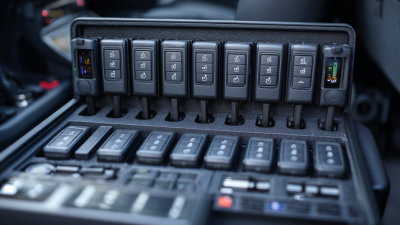
Keeping track of vehicle keys in a busy fleet might seem pretty straightforward—until, of course, that one key goes missing at 6 a.m. Trust me, we've all been there. That’s where a Fleet Key Lock Box can really help, acting as a secure and organized spot for drivers, technicians, and supervisors to hand over keys without any fuss. The really sturdy models out there do a good job at resisting the weather, staying securely mounted, and offering easy access procedures. Plus, they should support clear tracking, making sure everyone knows who took what, without messing up your daily routines. When you're picking one out, it’s good to check the steel thickness, lock quality, how well it resists rust, and whether it stays steady once installed. Also, look for designs that are user-friendly even if it's cold, rainy, or dark outside. Little things matter—like having a visible number panel to reduce mix-ups during shift changes or a covered keypad to keep dirt and moisture out. But hey, convenience is great — just don’t forget that proper key management is still key.

And here’s the thing: a reliable fleet security setup isn’t just about the box itself. You’ve got to have clear rules for who can access what, change those codes regularly, and keep track of when keys get returned. It’s a smart move to test the box after you set it up, and then check it during routine vehicle inspections. Things like weather, vibrations from driving, or constant use can reveal issues that you won’t catch from pictures alone. No lock box is perfect, so it’s worth considering the differences between electronic, mechanical, and smart-access options — each has its pros and cons. Electronic ones can give you access logs, which is helpful, but they also need good battery management and reliable oversight. Mechanical models are simpler to operate but can be tricky if you forget the combination. To avoid trouble, go for products from reputable manufacturers who offer solid warranties and easy-to-understand technical support. Reading independent reviews and testing them out yourself can really help you make a smart choice. In the end, the goal isn’t to achieve some crazy high level of security—it’s about consistent, accountable access that you can rely on every single morning, no surprises.

Top Fleet Key Lock Box for Secure Vehicle Access?

Fleet Key Lock Boxes: Purpose and Role in Vehicle Access

Fleet key lock boxes serve a practical role in controlled vehicle access. They keep keys near the assigned vehicle while limiting entry to approved drivers or technicians. In field operations, this can reduce delays during shift changes, roadside servicing, and overnight parking.

A reliable unit should resist rain, dust, forced impact, and repeated handling. Look for hardened construction, a clear access record, and mounting hardware suited to the vehicle or facility. Weather seals matter. So does visibility.

Access control needs careful planning. A supervisor can issue temporary codes for scheduled drivers and remove them after a vehicle returns. Some systems record each opening, helping managers review unusual access or missing keys. However, records are useful only when staff check them consistently. That step is often neglected.

The box should also support simple daily routines. Drivers need clear instructions, even in low light or poor weather. A spare key should not remain inside without authorization. Regular inspections can reveal loose mounts, worn hinges, weak batteries, or damaged seals before they affect operations. No system is flawless. Human error remains a concern, especially when codes are shared or written beside the box. Training and periodic access reviews strengthen the process without slowing legitimate vehicle use.

Key Features for Secure Fleet Lock Box Selection

Top Fleet Key Lock Box for Secure Vehicle Access?

Key Features for Secure Fleet Lock Box Selection

A fleet lock box should control access without slowing dispatch. Choose hardened steel, concealed hinges, and a weather-resistant seal for outdoor vehicles. The mounting system matters too. A box can be strong, yet fail when attached to thin bodywork. Select tamper-resistant fasteners and inspect the mounting surface during installation.

The National Insurance Crime Bureau reported 1,020,729 vehicle thefts in the United States during 2023. That figure supports layered protection, not casual key storage.

Access records are equally important. A unique code for each driver creates accountability and simplifies incident reviews. Avoid shared codes. They weaken traceability.

The Verizon 2024 Data Breach Investigations Report found that the human element appeared in 68% of breaches.

Fleet teams should therefore limit permissions, remove former users quickly, and review access logs weekly. Battery warnings, emergency access procedures, and code rotation deserve attention before deployment.

A practical selection test includes rain exposure, repeated keypad use, freezing mornings, and hurried handovers. Look for clear audit data, replaceable batteries, and visible signs of tampering. Physical keys should not be trapped inside after a dead battery.

No box is perfect. An electronic model may improve records but introduce maintenance needs. A mechanical model may remain dependable but provide weaker accountability. That trade-off needs honest review. Test one unit on an active vehicle before purchasing for the entire fleet.

Comparing Lock Types, Materials, and Weather Resistance

A fleet key lock box must resist more than casual tampering. The National Insurance Crime Bureau recorded 1,020,729 vehicle thefts in the United States during 2023. That figure supports layered access control, even for routine fleet operations.

Mechanical combination locks are simple and work without batteries. However, shared codes can spread quickly among drivers. Electronic keypad models provide individual codes, audit trails, and faster code changes. They also require battery checks.

Stainless steel offers strong corrosion resistance, while zinc alloy can reduce weight but may suffer surface damage. Powder-coated steel is practical, yet chipped coating can expose rust. Small details matter: a loose hinge, weak shackle, or exposed reset button can defeat an otherwise solid box.

Tips: Check the lock after rain, freezing nights, and dusty routes. Look for water inside. Test the code with gloves. Keep a documented inspection log. The IEC 60529 ingress protection framework helps buyers compare dust and water resistance, but an IP rating does not prove impact strength. Ask for test evidence, not vague “all-weather” wording. ASTM B117 salt-spray testing can indicate corrosion performance, though laboratory exposure does not perfectly reproduce road salt, humidity, and temperature changes. I have found that fleet teams sometimes overvalue a thick housing. They should also inspect mounting points and drainage. A heavy box can still fail when water remains trapped around the latch.

Installation Steps for Fleet Vehicle Key Lock Boxes

Installation Steps for Fleet Vehicle Key Lock Boxes

Secure installation begins with the vehicle, not the lock box. The National Insurance Crime Bureau reported 1,020,729 vehicle thefts in the United States during 2023. That figure makes casual key storage difficult to justify.

Select a solid mounting point inside the cab or on a protected exterior panel. Avoid airbags, wiring looms, fuel lines, and steering components. Open the box, check its dimensions, and confirm that keys do not press against the door. Small details matter.

Mark the holes with a template, then drill only after checking both sides of the panel. Use corrosion-resistant bolts, locking nuts, and washers that spread pressure across thin metal. Tighten the hardware firmly, but do not crush the panel.

Set a unique access code, record it in a controlled fleet register, and test the mechanism several times with the vehicle locked. A 2024 fleet technology survey of more than 1,300 professionals identified security and operational control as continuing fleet priorities. The box supports those controls, but it cannot replace them.

Inspect mounting bolts weekly at first. Recheck after vibration, harsh weather, or body repairs. I once assumed a tight latch meant a secure installation. It did not. Dust had entered the mechanism. Clean access surfaces, rotate codes when staff change, and document every inspection.

Access Management, User Permissions, and Key Tracking

Top Fleet Key Lock Box for Secure Vehicle Access?

A fleet key lock box should manage people, not just keys. Each driver needs a personal login, time-limited access, and permission for assigned vehicles only. Supervisors should approve exceptions remotely. This reduces casual sharing and creates a clear responsibility trail.

The 2024 Data Breach Investigations Report found that human involvement appeared in 68% of analyzed breaches. That figure supports stronger user permissions around physical vehicle access. A practical system should record who opened the box, which key was removed, and when it was returned. Real-time alerts can flag overdue returns, repeated failed attempts, or access outside scheduled hours. Small details matter.

Key tracking must remain simple during busy shift changes. A driver should scan a credential, see the correct compartment, and confirm return without paperwork. The 2024 Cost of a Data Breach Report placed the global average breach cost at 4.88 million dollars, showing why access records deserve serious attention. Still, technology is not perfect. A lost credential, weak administrator settings, or poor training can undermine a secure box quickly. Monthly permission reviews and physical inspections are necessary. Without them, an accurate log may only document a preventable mistake.

Top Fleet Key Lock Box for Secure Vehicle Access? - Access Management, User Permissions, and Key Tracking

Practical evaluation criteria for selecting and operating a fleet key lock box without relying on company- or brand-specific data.

Control Dimension Data to Capture or Configure Recommended Baseline or Measurable Requirement Operational Value
Access Authentication Method used to open the lock box Support at least one unique method per user, such as an individual PIN, RFID/NFC credential, or authenticated mobile access. Avoid shared access codes for routine use. Creates accountability and reduces the risk associated with shared keys or generic PINs.
User Permissions Role, user ID, assigned vehicles, and permitted actions Configure separate roles for administrators, dispatchers, drivers, maintenance staff, and auditors. Apply least-privilege access by vehicle, depot, time window, and action. Limits unauthorized access while allowing daily fleet operations to continue efficiently.
Temporary Access One-time or time-limited credentials Provide credentials that can be restricted to a specific vehicle, date, time range, and purpose. Automatically expire them after use or at the end of the approved period. Useful for contractors, replacement drivers, roadside support, and after-hours vehicle access.
Key Identification Key ID, vehicle ID, registration reference, and key-set description Assign one unique record to each key or key set and keep the vehicle assignment current. Use a durable label or encoded identifier that is readable during audits. Prevents keys from being returned to the wrong compartment and improves reconciliation accuracy.
Checkout Record User, key ID, vehicle ID, access time, and reason for use Record 100% of key removals with a user identifier, timestamp, associated vehicle, and stated purpose. Provides a defensible chain of custody for every vehicle key movement.
Return Record Return user, return timestamp, key status, and exception note Require a return event for every checkout. Record exceptions such as lost key, damaged key, late return, or vehicle reassignment. Helps identify missing keys before the next shift or dispatch cycle.
Audit Trail Successful access, denied access, overrides, configuration changes, and alerts Maintain tamper-evident records containing event type, user or system ID, date, time, affected key or vehicle, and result. Supports incident investigation, internal controls, and review of abnormal access patterns.
Offline Operation Access behavior during network or power interruption Define whether approved credentials can work offline and require local event storage with synchronization after connectivity returns. Make offline overrides separately identifiable. Maintains operational continuity without losing visibility of access events.
Emergency Override Override user, approval reason, time, and affected key Restrict emergency opening to authorized personnel, require a reason, and log every override. Use dual approval where the risk level or local policy requires it. Balances urgent vehicle access with post-event accountability.
Physical Security Enclosure strength, mounting, tamper detection, and key compartment design Use a lock box securely anchored to a fixed structure, with tamper-resistant fasteners and a compartment sized for the key set. Select an enclosure with a verified environmental rating when installed outdoors. Reduces removal, forced-entry, weather, and unauthorized physical-access risks.
Weather Protection Ingress protection for outdoor installation For exposed locations, consider an enclosure certified to an appropriate IP rating under IEC 60529, such as IP65 where dust protection and protection from water jets are required. Confirm that the complete installed system—not only a component—meets the needed rating. Protects credentials, electronics, and keys from common outdoor dust and water exposure.
Permission Review Active users, roles, vehicle assignments, and expired credentials Review administrator and high-privilege accounts at least monthly and remove access immediately when employment, assignment, or contract status changes. Reduces dormant-account risk and keeps permissions aligned with current fleet responsibilities.
Shift Reconciliation Expected keys versus physically present keys Reconcile key inventory at each shift change or dispatch cycle. Target zero unexplained missing keys and document every discrepancy before closing the review. Detects loss, misplacement, and unrecorded vehicle use quickly.
Alerts and Escalation Denied attempts, overdue returns, forced openings, and repeated failures Configure alerts for defined thresholds, such as an overdue return, repeated denied access, or an unapproved override. Assign an owner and response time to each alert type. Turns audit data into timely action instead of passive recordkeeping.
Data Export Access logs, user permissions, key inventory, and exception history Provide human-readable exports with timestamps, user IDs, vehicle IDs, key IDs, event types, and outcomes. Protect exported files because they contain operational and security information. Enables audits, trend analysis, incident reporting, and integration with fleet workflows.
Performance Metrics Access compliance, missing keys, overdue returns, and denied attempts Track: Checkout completion rate Return completion rate Overdue-return count Unexplained-missing-key count Override frequency Provides objective evidence of whether the access-control process is working.
Implementation note: Access methods, audit-log capacity, offline behavior, battery life, environmental ratings, and retention periods vary by lock-box design. Verify each specification against the supplier’s technical documentation, installation conditions, organizational policy, and applicable privacy or records-retention requirements.

Maintenance, Security Audits, and Replacement Guidelines

Top Fleet Key Lock Box for Secure Vehicle Access?

Maintenance, Security Audits, and Replacement Guidelines

A fleet key lock box should survive rain, road dust, repeated handling, and hurried handovers. Choose hardened housing, a guarded shackle, drainage, and a resettable code mechanism. Avoid placing it where the key can be seen through the vehicle window. Small placement errors create large security gaps.

Maintenance must be practical and documented. Inspect each unit monthly for rust, loose fasteners, blocked drainage holes, and sticking dials. Test the code before storing a vehicle key. Wipe grit from moving parts; do not force a jammed mechanism. I have found that rushed inspections often record “pass” without opening the box. That habit needs correction.

Security audits should compare box numbers, assigned vehicles, authorized users, and code-change dates. NIST Special Publication 800-53 Rev. 5 recommends maintaining and reviewing physical access authorizations at defined intervals. Aligning fleet checks with that control creates stronger accountability. Verizon’s 2024 Data Breach Investigations Report found human involvement in 68% of breaches, showing why shared codes and informal handovers deserve attention. Replace a box after forced-entry marks, persistent corrosion, failed locking action, or suspected code exposure. Keep replacement records, including the old unit’s removal date and the new code custodian. A box can look intact and still be unreliable.

Electronic Key Cabinets and Asset Management Systems for New and Used Car Dealerships in China

Electronic Key Cabinets and Asset Management Systems for New and Used Car Dealerships in China

As vehicle inventories grow, new and used car dealerships in China need a secure and efficient way to manage keys. An electronic key cabinet can automate the key handover process while reducing manual records and unnecessary delays. Each vehicle key is stored in a controlled compartment, and access is granted only when there is a corresponding reservation, assignment, or approved return request. This helps protect vehicles from unauthorized access and supports a more organized daily workflow.

Connected asset management software gives dealership managers a clear overview of key and vehicle activity through a web-based platform. They can check the current location of a key, confirm whether a vehicle is available, and review who last collected or returned it. Staff members can also follow scheduled test drives, maintenance visits, inspections, and internal transfers with greater accuracy. These records improve accountability and make it easier to identify missing keys or unexpected vehicle movements.

For both newly arrived vehicles and pre-owned inventory, an electronic key cabinet system can create a consistent process across sales, service, and operations teams. By combining controlled access, real-time tracking, and digital usage records, dealerships can improve security, save administrative time, and maintain better control over valuable vehicle assets.

FAQS

Where should a fleet vehicle key lock box be installed?

Choose a solid location inside the cab or on a protected exterior panel. Avoid airbags, wiring, fuel lines, and steering parts. Keep the key hidden from window view.

How can I confirm the box fits before drilling?

Open the box and measure its full depth. Check that the key does not press against the door. Inspect both sides of the panel before drilling.

Which hardware supports a secure installation?

Use corrosion-resistant bolts, locking nuts, and wide washers. The washers spread pressure across thin metal. Tighten firmly, but do not crush the panel.

How should the access code be managed?

Set a unique code for each unit when practical. Record it in a controlled fleet register. Change the code when authorized staff change.

How do I test a newly installed lock box?

Lock the vehicle before testing the mechanism. Enter the code several times. Confirm smooth opening, secure closing, and no pressure on the stored key.

How often should the lock box be inspected?

Inspect each unit monthly for rust, loose fasteners, blocked drainage, and stiff dials. Check bolts weekly during the early installation period. Recheck after vibration, severe weather, or body repairs.

What mistakes can weaken routine security checks?

A rushed inspection may record “pass” without opening the box. I once trusted a tight latch. Dust had entered the mechanism. Open the box and test it.

When should a key lock box be replaced?

Replace it after forced-entry marks, persistent corrosion, or failed locking action. Replace it after suspected code exposure. Record the removal date and the new code custodian.

Conclusion

A Fleet Key Lock Box provides a controlled and practical way to manage vehicle keys across company cars, service vans, and shared fleet units. The right box should combine a reliable locking mechanism, durable construction, weather resistance, and an installation method that helps prevent tampering or unauthorized removal. When comparing options, fleet managers should consider mechanical or electronic lock types, material strength, corrosion protection, mounting location, and ease of use in daily operations.

Effective access management is equally important. Each authorized user should receive appropriate permissions, while key check-in and check-out records can improve accountability and visibility. Clear installation procedures, scheduled inspections, security audits, and timely replacement of damaged components help maintain dependable protection. By matching the Fleet Key Lock Box to operational needs and reviewing its condition regularly, organizations can improve vehicle availability, reduce misplaced keys, and create a more organized and secure access process.

Oliver

Oliver

Oliver is a dedicated professional at Landwell, specializing in marketing innovative key management solutions. With a deep understanding of the intricacies involved in key usage across diverse environments, he is committed to providing clients with simple yet effective strategies for complete......
Previous How to Track Key Supplier Metrics in 2026?